Best Junior Cricket Bats UK 2026: Kookaburra, GM and Ben Stokes Picks
Looking for a junior cricket bat in the UK? Here are three sensible options for young players, including beginner Kashmir willow bats and one premium English willow choice.
The most common question I hear from parents at the club is some version of: "I need a bat for my son, where do I start?" And the most common mistake I see is buying too big.
I get why it happens. You are standing in front of an Amazon listing, there are eight size options, and you think: get the bigger one, he will grow into it. But cricket does not really work like that. A bat that is too long or too heavy makes it genuinely hard for a young player to bat properly. It messes up the shape, overloads the bottom hand, and builds bad habits that take ages to correct.
The best junior bat is not the most expensive one or the biggest one. It is the one the player can actually pick up, swing properly, and use without fighting the thing. I have picked three bats from Amazon UK that I think are worth your money for different stages of junior cricket.
Quick Picks: Best Junior Cricket Bats UK 2026
| Product | Best For | Price Range |
|---|---|---|
| Kookaburra Rapid 10.1 Junior Cricket Bat | Best overall junior bat | £37.90 to £48.49 |
| Gunn & Moore Diamond Kashmir Willow Bat | Best for growing juniors | £43.80 to £67.99 |
My Top 3 Junior Cricket Bats UK 2026
1. Kookaburra Rapid 10.1 Junior Cricket Bat
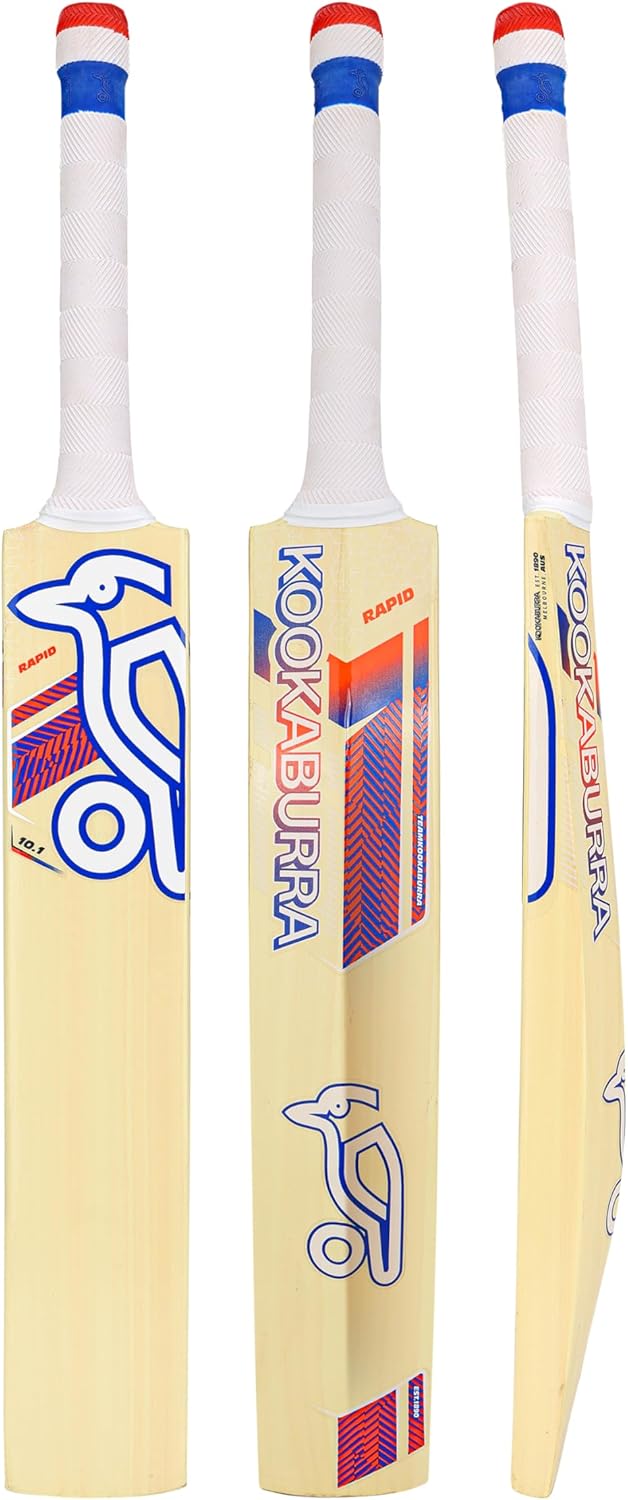
The Kookaburra Rapid 10.1 Junior is my top pick from this list. It is a Kashmir willow bat, so do not expect it to feel like a Grade 2 English willow, but for school cricket, junior club sessions and coaching, it does exactly what it needs to do. Kookaburra is a proper cricket brand. Their equipment turns up in international dressing rooms and county nets. That matters when you are spending money on a bat for a child.
The size range is the real selling point. You can get this bat from Size 0 all the way through to Harrow and Short Handle, which means you are actually choosing the right fit rather than guessing. Getting this right makes more of a difference than most parents realise. A bat that is too long or too heavy forces a young player to compensate through the shot, and that is where poor technique starts to creep in.
It also has a full wrap finish on the face, which adds some protection and reduces how much prep you need to do before using it. This is not an English willow match bat and it is not trying to be. For a young player who is just getting started, that is not a problem at all.
What I like: Good junior size range, trusted Kookaburra brand, sensible price, good for practice and coaching.
What to watch: Kashmir willow can feel a little heavier than English willow, so smaller juniors need the right size. The review count is still low, so check the latest Amazon reviews before buying.
2. Gunn & Moore Diamond Kashmir Willow Cricket Bat
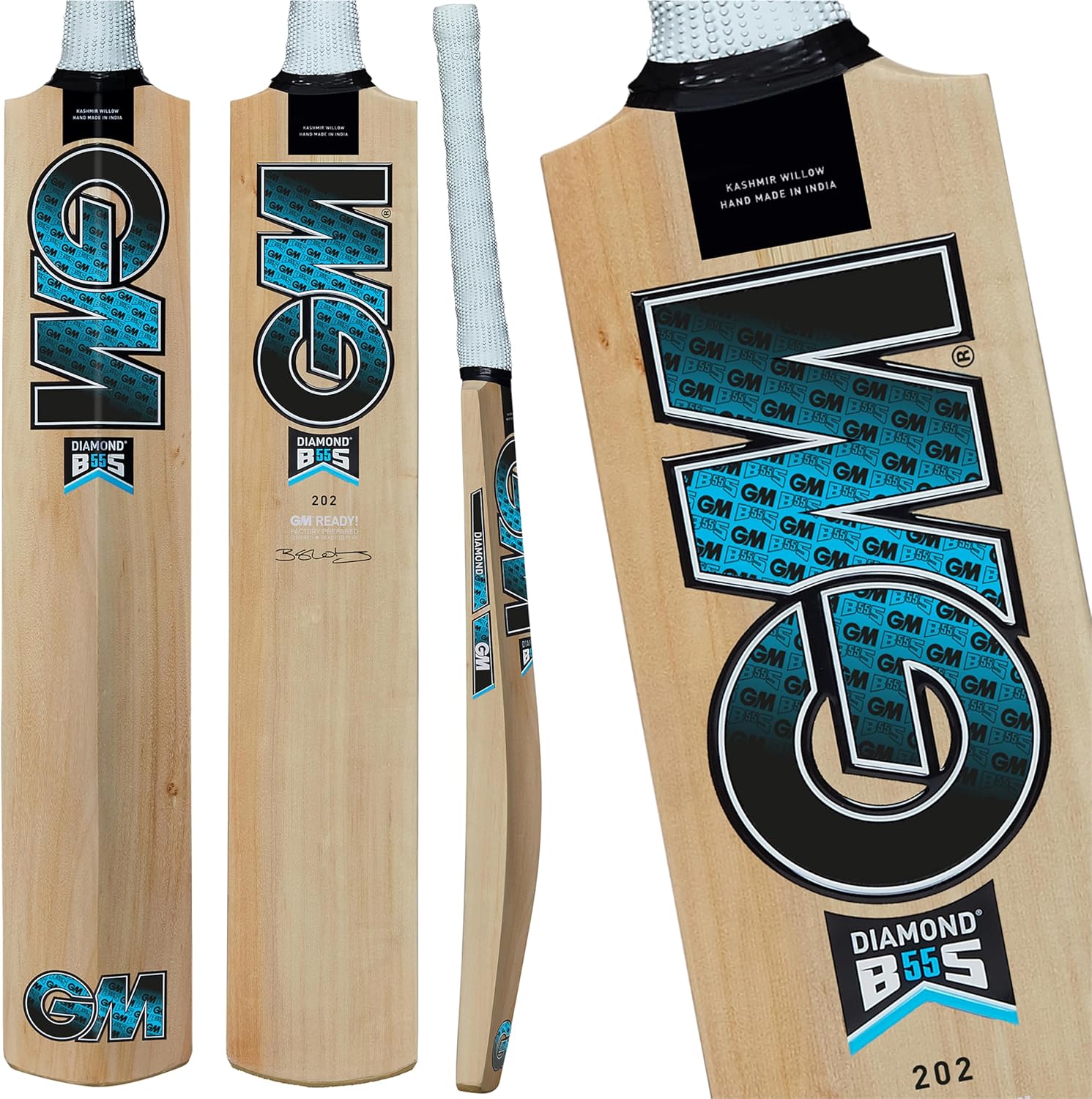
The GM Diamond Kashmir Willow is the bat I would point parents towards when they want something with a bit more longevity built in. GM is one of the most recognised cricket brands in the UK, and what makes this range stand out is how many sizes it covers. You have everything from the Opener size for smaller juniors through to Full Size, which means this bat can genuinely work for a player across a few years of development rather than needing to be replaced every season.
One thing worth knowing is that this bat is listed as suitable for hard leather cricket balls. That sounds obvious, but a surprising number of cheap junior bats on Amazon are only really meant for soft balls or windball. If your child is already playing in a proper junior team or hard-ball coaching session, this covers that transition without needing to jump straight into an English willow bat.
The honest concern from reviews is the splice joint, which is where the handle meets the blade. A few buyers have reported that area giving way after limited use. I would prepare this bat before using it properly and not go straight from the packaging into a match.
What I like: Wide size range, known GM brand, suitable for hard-ball cricket, good option for juniors developing their game.
What to watch: A few reviews mention splice durability issues after hard use. Prepare it properly and ease it in gradually.
3. GM Ben Stokes Diamond Cricket Bat 2026
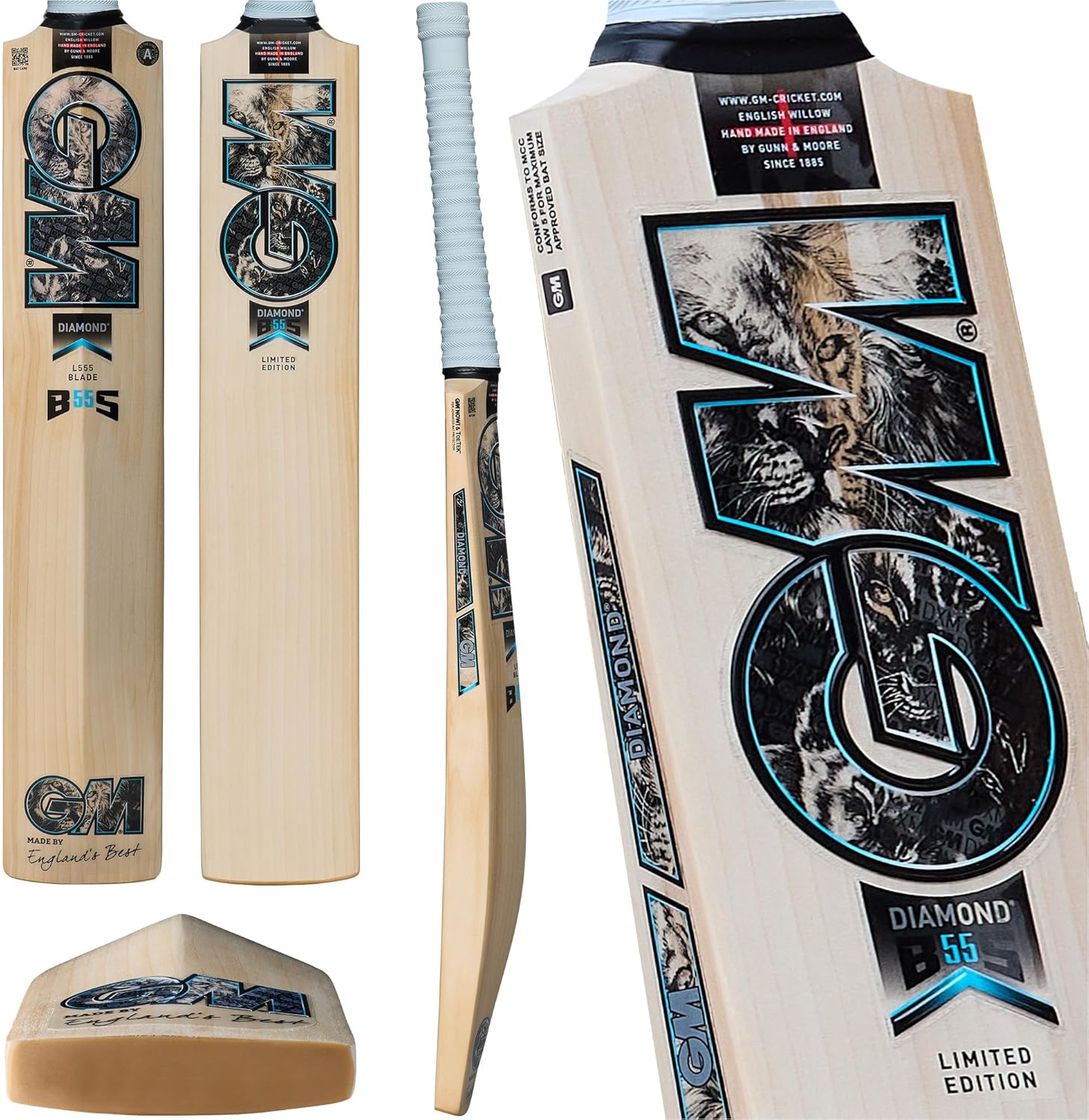
The Ben Stokes Diamond 2026 is a step up from the other two, and the price reflects that. This is English willow, made by GM, with the Ben Stokes signature profile. For a junior who is already playing competitive hard-ball cricket regularly, that combination is genuinely appealing.
The size range covers junior options from Size 2 upwards, so it is not just an adult bat with a familiar name on it. A committed young player who wants to move beyond a basic Kashmir willow bat but is not ready for expensive adult-grade wood has a real option here.
English willow does feel different when you bat with it. There is more response off the face, a better sense of where the ball is coming off the blade, and the pick-up is usually lighter. Once a junior is developing properly and playing regular hard-ball cricket, those things start to matter. The caveat is that this is a brand new 2026 model with no customer reviews at the time I checked. I cannot tell you how it holds up in real use. That is worth keeping in mind before spending over £100.
What I like: English willow, trusted GM brand, good for serious junior players, Ben Stokes profile is a real draw for young cricketers.
What to watch: No customer reviews yet on this 2026 model. Also costs significantly more than the other options here, so only worth it for a player who is already committed.
How to Choose Your First Junior Cricket Bat
Start with the correct size
The biggest mistake is buying too big. Parents think a child will grow into it, but cricket does not work like that. A bat that is too long or too heavy makes it almost impossible to play straight and time the ball properly. The bottom hand ends up doing all the work and the whole shape falls apart.
Use the height chart on the Amazon listing and match the bat to the player as they are now. If the player is between two sizes, go for the one they can control better. That will always serve them better than extra reach they cannot handle.
Think about weight, not just length
Two bats can be the same listed size and feel completely different when you pick them up. Kashmir willow tends to be denser and heavier than English willow. For younger players, the pick-up matters a lot. A junior should be able to bring the bat up comfortably and play a straight drive with both hands working together, not just the bottom hand muscling it through.
Kashmir willow is enough for most juniors
Honestly, for most young players starting out in the UK, Kashmir willow is plenty. It is cheaper, handles rough use better, and does not need as much care as English willow. For school cricket, coaching and early junior club matches, it gets the job done. Save English willow for when the player is older, more committed, and genuinely ready for something better.
Check the ball type
This catches a lot of people out. Plenty of junior bats on Amazon are only meant for soft balls, windball or tape ball. If your child is playing with a proper leather ball at their club, make sure the listing confirms leather ball suitability before you buy.
Do not overspend too early
Kids grow fast and their technique changes even faster. Spending over £100 on a junior bat when a child is still deciding whether they even like cricket does not make much sense. A £40 to £70 bat is genuinely enough for most young players. I would only consider going above that once you know the child is playing regularly and actually needs something better.
Quick Comparison
| Product | Best For | Key Feature | Approx Price |
|---|---|---|---|
| Kookaburra Rapid 10.1 Junior | Most junior beginners | Wide junior size range | £37.90 to £48.49 |
| GM Diamond Kashmir Willow | Growing juniors | Sizes from small junior to full size | £43.80 to £67.99 |
Final Verdict
My pick for most young players is the Kookaburra Rapid 10.1 Junior. The size range is right, the brand is trusted, and the price is fair. That is the bat I would go for without overthinking it.
If you want something with more longevity and a wider size spread, the GM Diamond is the stronger choice. It covers more ground across different stages of development and works with hard leather balls, which matters once a junior starts playing properly.
The Ben Stokes Diamond 2026 is genuinely exciting for a serious young cricketer. But I would not spend that money without reviews to back it up, and I would not buy it for a child who is still figuring out whether cricket is for them.
Frequently Asked Questions
What size cricket bat should a junior use?
A junior bat should be chosen based on height, not age. Check the size chart on the listing and avoid buying too big. A bat the child can control is far better than one they will grow into.
Is Kashmir willow good enough for junior cricket?
Yes. Kashmir willow is a good choice for most juniors because it is affordable and durable. It works well for school cricket, coaching and beginner club cricket.
Should I buy an English willow bat for my child?
Only if they are already playing regular hard-ball cricket and are serious about improving. For a beginner, Kashmir willow is usually enough.
Do junior cricket bats need knocking in?
Some do, especially if they will be used with leather balls. Even if the bat has a protective finish, I would still prepare it before hard-ball use. A bit of preparation is worth it to avoid early damage.
Which junior cricket bat is best from this list?
The Kookaburra Rapid 10.1 Junior is my top pick for most young players. It has the best mix of price, junior size range and brand trust.