
Best Cricket Protective Gear for Batters UK 2026: Arm, Chest and Thigh Protection
A practical guide to cricket protective gear for batters in the UK, covering arm guards, chest guards, thigh guards and lower-body protection for hardball cricket.
Best Cricket Protective Gear for Batters UK 2026: Arm, Chest and Thigh Protection
When you start hardball cricket, the basic shopping list seems simple. Helmet, pads, gloves and a box. Then you face a few proper net sessions or a Saturday league match and realise there are other areas you may want to protect too.
You do not need to wear every guard on this page. Some batters are happy with the basics and a thigh pad. Others like an arm guard because they have taken a few knocks on the forearm. A chest guard is a personal choice, but it can help a player who feels exposed against quicker bowling or awkward bounce.
The point is to buy protection that solves a problem you actually have. Extra kit that fits badly or gets in the way of your batting is just another distraction. The right guard should sit securely, let you run and play your shots, and be comfortable enough that you forget it is there.
This guide brings together the strongest options from my arm guard, chest guard and thigh guard research. I have kept the list short and avoided treating every size or handedness variation on Amazon as a separate product.
Protective gear can help reduce the impact of a ball, but it cannot guarantee complete protection. Always check the fit, choose the correct handedness where needed, and test new kit in nets before match day.
Quick Picks: Best Cricket Protective Gear for Batters UK 2026
| Product | Body Area | Best For | Price Range |
|---|---|---|---|
| Gray-Nicolls Test Armguard | Forearm | Best Arm Guard | £20-£32 |
| Ayrtek Hybrid Sweatband Arm Guard | Wrist/forearm | Best Lightweight Arm Guard | £18-£19 plus delivery |
| moonwalkr Cricket Chest Guard | Chest | Best Chest Guard | £50-£54 |
| Aero P1 Chest Protector | Chest | Best Technical Chest Guard | Check selected size |
| Gray-Nicolls All In One Academy | Thigh | Best Thigh Guard | £32-£35 |
| FORTRESS Lower Body Guard | Lower body | Best Value Lower-Body Guard | Around £28 |
My Top Cricket Protective Gear Picks for Batters
1. Gray-Nicolls Test Armguard
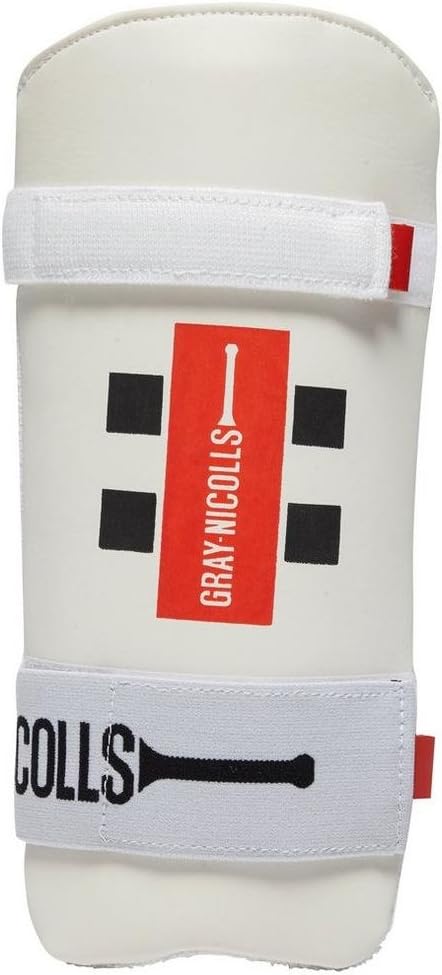
The Gray-Nicolls Test Armguard is my main arm-protection pick for club batters. It is a traditional forearm guard with adult, youth and junior options, so it works well for both experienced players and parents buying for a young cricketer.
The listing gives more detail than many basic arm guards. It mentions Poly Armour, different foam layers, EVA, mesh vents, Lycra backing and double towel straps. More importantly, it is designed like the forearm guards many players already know how to wear and adjust.
I would choose this if you want clear forearm coverage from a recognised cricket brand. It makes more sense than a tiny wrist guard if the area you are worried about is further up the arm.
Best for: Batters who want a conventional forearm guard for regular club cricket.
What I like: Adult, youth and junior options, adjustable straps, proper forearm coverage and ventilation details.
What to watch: Confirm the exact Amazon size and variation before you buy. The research found an ASIN or variation warning, so check that your basket contains the Test Armguard you intended to choose.
2. Ayrtek Hybrid Sweatband Arm Guard
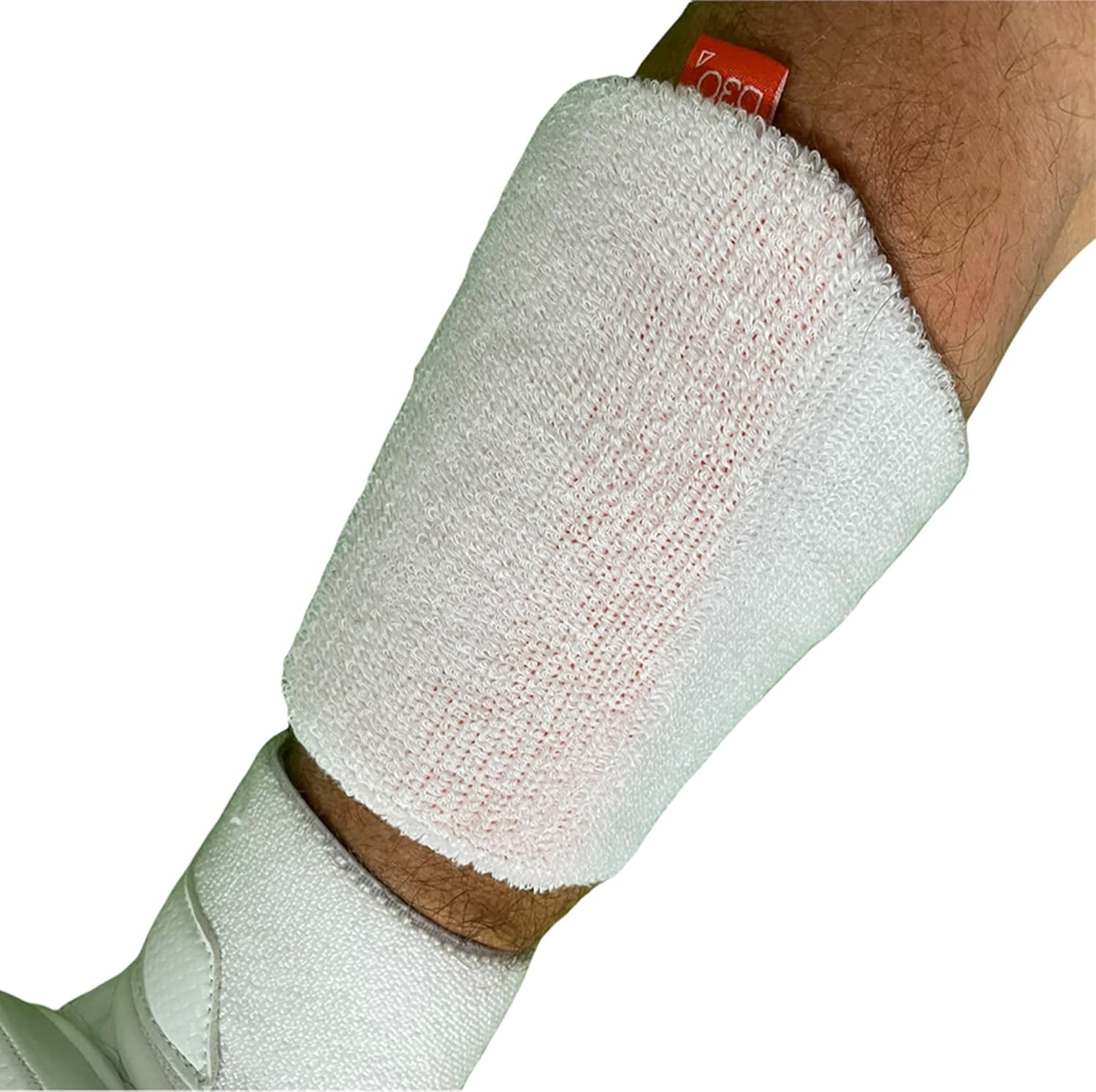
The Ayrtek Hybrid Sweatband Arm Guard is for batters who do not get on with traditional straps. It looks and feels closer to a sweatband, but has D3O foam built into the design for wrist and lower-forearm coverage.
There are Stubby and Jumbo versions. They are not separate products in my view. They are two lengths of the same idea. The Stubby is shorter and more minimal, while the Jumbo gives a little more coverage.
This is a good option if bulky protection puts you off wearing an arm guard at all. Just be honest about the trade-off. A short sweatband does not cover as much of the forearm as a full strapped guard.
Best for: Batters who want light, strap-free protection around the wrist and lower forearm.
What I like: Minimal feel, no straps and a useful choice of two lengths.
What to watch: Coverage is smaller than a traditional forearm guard, and the rating base was limited when researched.
3. moonwalkr Cricket Chest Guard
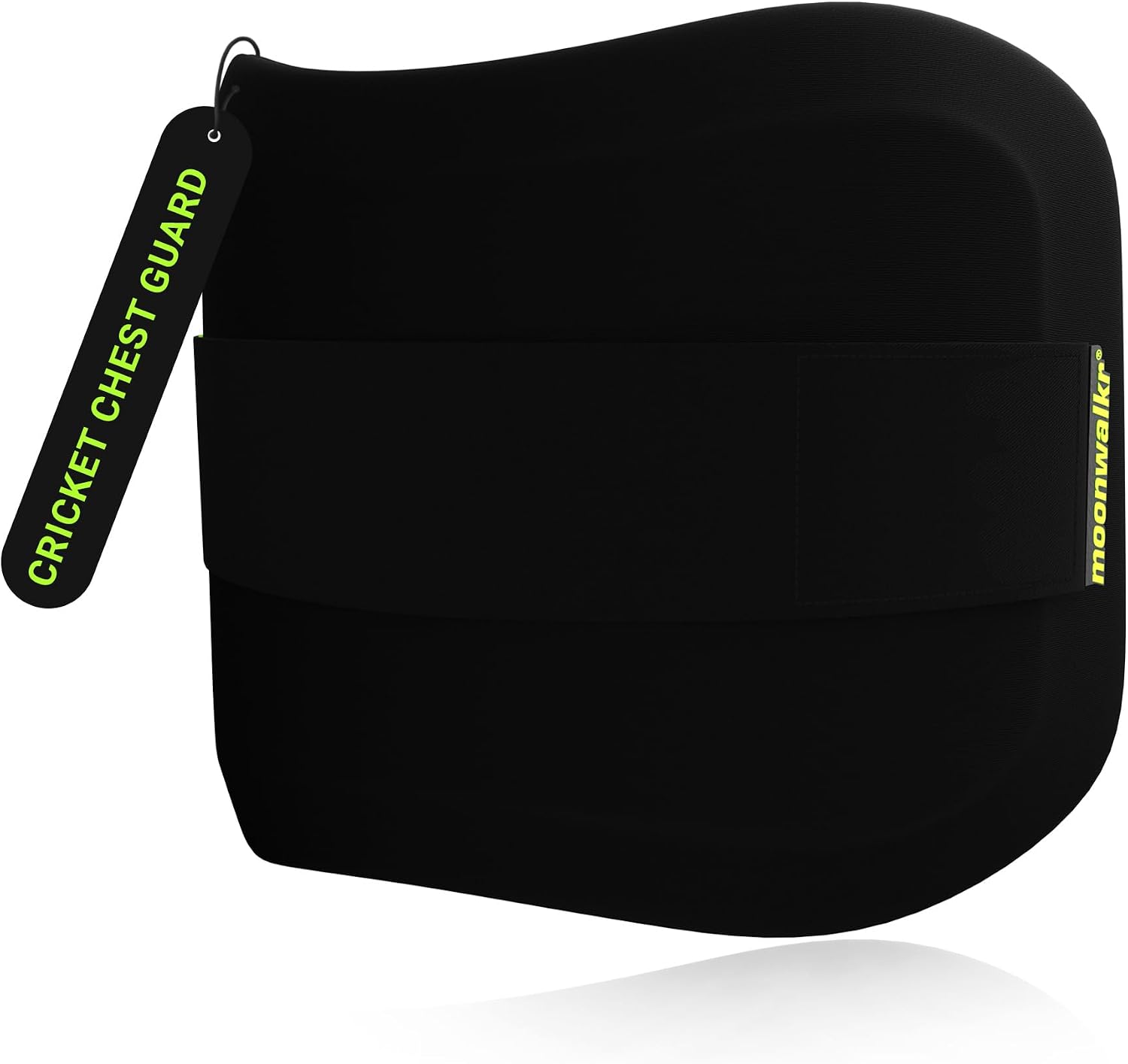
The moonwalkr Cricket Chest Guard is my chest-protection choice from this shortlist. It is aimed at adults, has an ambidextrous fit and had the strongest Amazon review base among the chest guards I checked.
Chest protection is not essential for every player. If you are comfortable with just the standard batting kit, that is fine. But if you regularly face pace, find short balls unsettling, or play on surfaces where the ball can climb, a chest guard may be worth trying in nets.
The listing describes a slim design with a polypropylene composite shell, a 3-inch strap and a terry fabric interior for cushioning and sweat absorption. It is more expensive than the other chest options, but it is also the product with the clearest current case for inclusion.
Best for: Adult club batters who want dedicated chest protection without a bulky upper-body guard.
What I like: Slim profile, light listed weight, adult ambidextrous fit and the strongest rating base in this category.
What to watch: It is the more expensive chest option. Treat all protection language on the listing as manufacturer or product-page information, not independent safety certification.
Read the full chest guard guide
4. Aero P1 Chest Protector
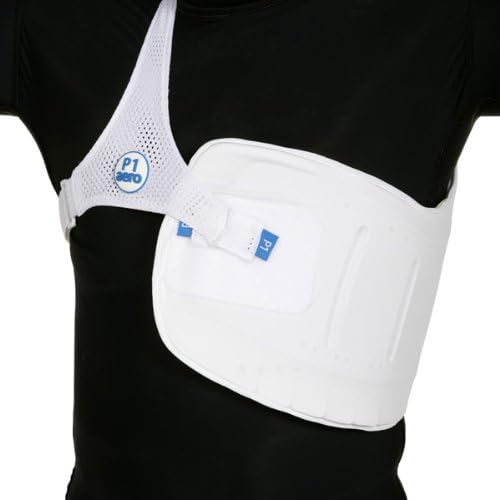
The Aero P1 Chest Protector is the more technical chest-protection option. Its low-profile holster design is meant to sit close to the body, with adjustable straps to help keep it in place while batting.
Aero lists three layers of closed-cell EVA foam and machine washability. That will appeal to a player who wants an adjustable guard rather than a larger upper-body design. Aero also makes an impact-speed claim for the P1, but I would only quote that as Aero’s own claim.
This is one to consider if fit and a close feel are your main priorities. It is not an automatic recommendation for every batter, because the Amazon listing needs you to choose a size before it gives a clear price and stock position.
Best for: Players who want a low-profile, adjustable chest protector.
What I like: Three-layer EVA construction, adjustable fit, machine washability and a specialist cricket-protection brand.
What to watch: Confirm the exact size, offer and availability on Amazon before buying or linking to it.
Read the full chest guard guide
5. Gray-Nicolls All In One Academy Thigh Guard
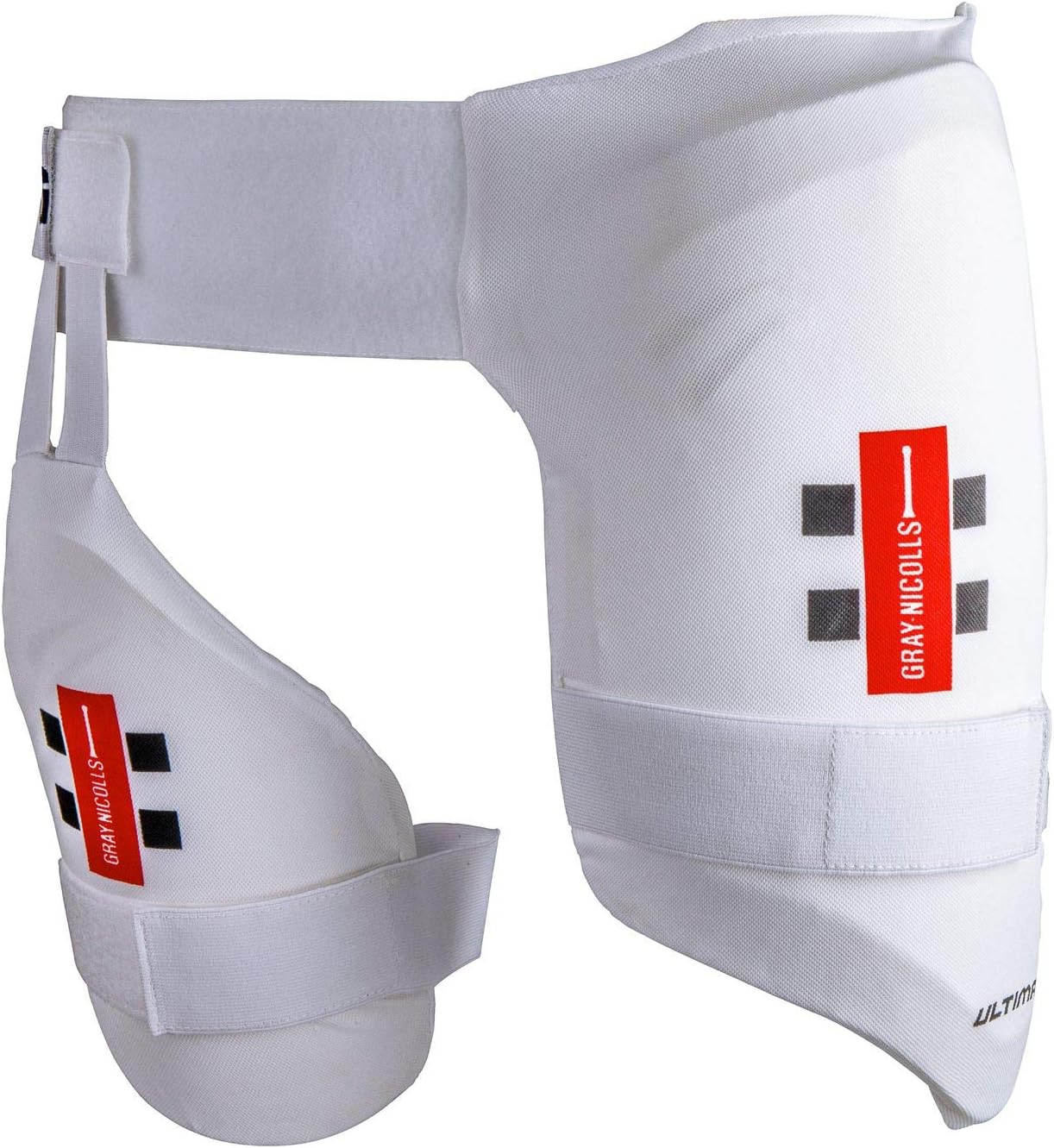
The Gray-Nicolls All In One Academy is my top thigh-protection pick. It combines outer-thigh and inner-thigh padding in one guard, which gives more coverage than a basic single thigh pad.
Across the researched Amazon listings, the family had adult, youth and junior options, plus both right-handed and left-handed variants. That is useful because the inner-thigh pad has to sit on the correct leg for your stance. Getting the handedness wrong is an easy way to make a good product feel useless.
For most regular hardball batters, I would spend on a proper all-in-one guard before adding a chest guard. Thigh contact is part of the game, and a guard that stays in place can make batting feel far less distracting.
Best for: Batters who want integrated outer and inner-thigh protection.
What I like: All-in-one coverage, broad youth-to-adult size options, right- and left-handed variants and a trusted cricket brand.
What to watch: The Amazon listings are separate family variations. Verify the exact size, handedness, live price and stock instead of assuming every one is available.
Read the full thigh guard guide
6. FORTRESS Lower Body Guard
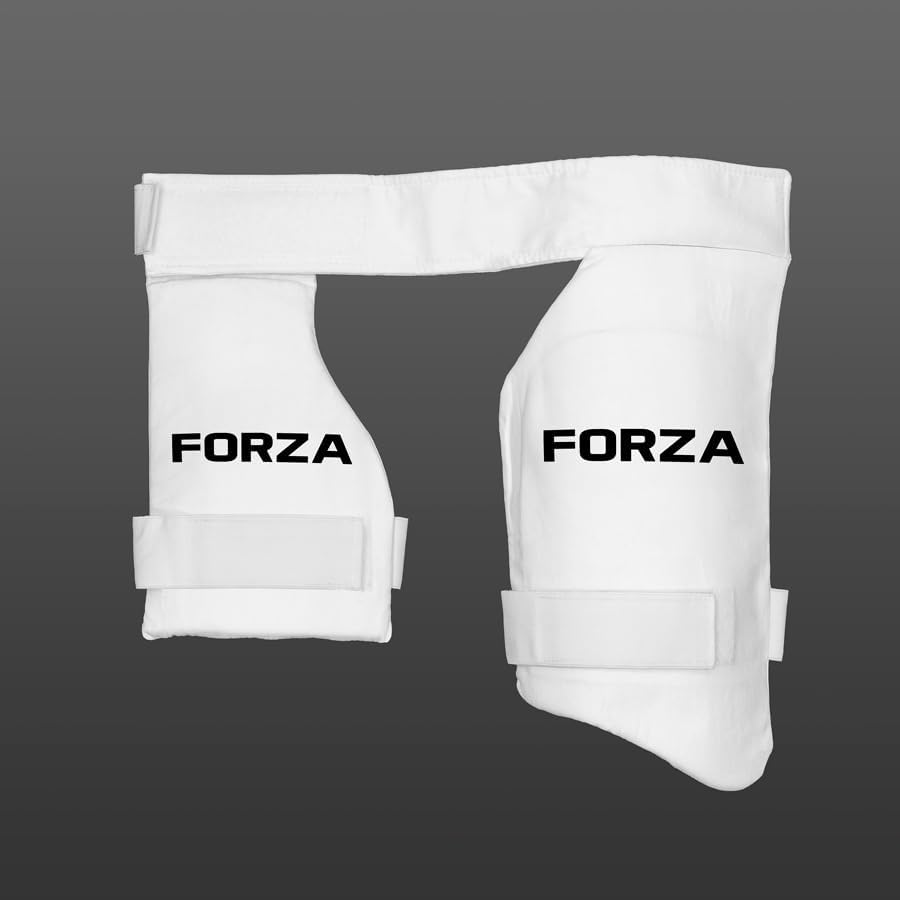
The FORTRESS Lower Body Guard is the value lower-body option. It includes an outer-thigh pad, inner-thigh pad and adjustable straps, with youth and senior sizes plus right-handed and left-handed variants shown on the listing.
It is a practical choice for someone who wants an all-in-one style of coverage without paying as much as some established cricket brands. That could be a beginner who is building a first hardball kit, a parent buying for a junior, or an adult who simply wants a lower-cost combo guard.
The Amazon listing describes dual-layer EVA foam with three hook-and-loop straps around the waist and thigh areas. That is a useful setup, provided the selected size sits correctly when you run and play shots.
Best for: Value-minded batters who want both inner and outer-thigh coverage.
What I like: Combo coverage, youth and senior choices, right- and left-handed variants and a lower price than many all-in-one guards.
What to watch: The review base is smaller than the leading Gray-Nicolls product family. Check the exact set contents, because FORTRESS also sells a different single-pad product.
Read the full thigh guard guide
7. GM 909 Protective Shorts
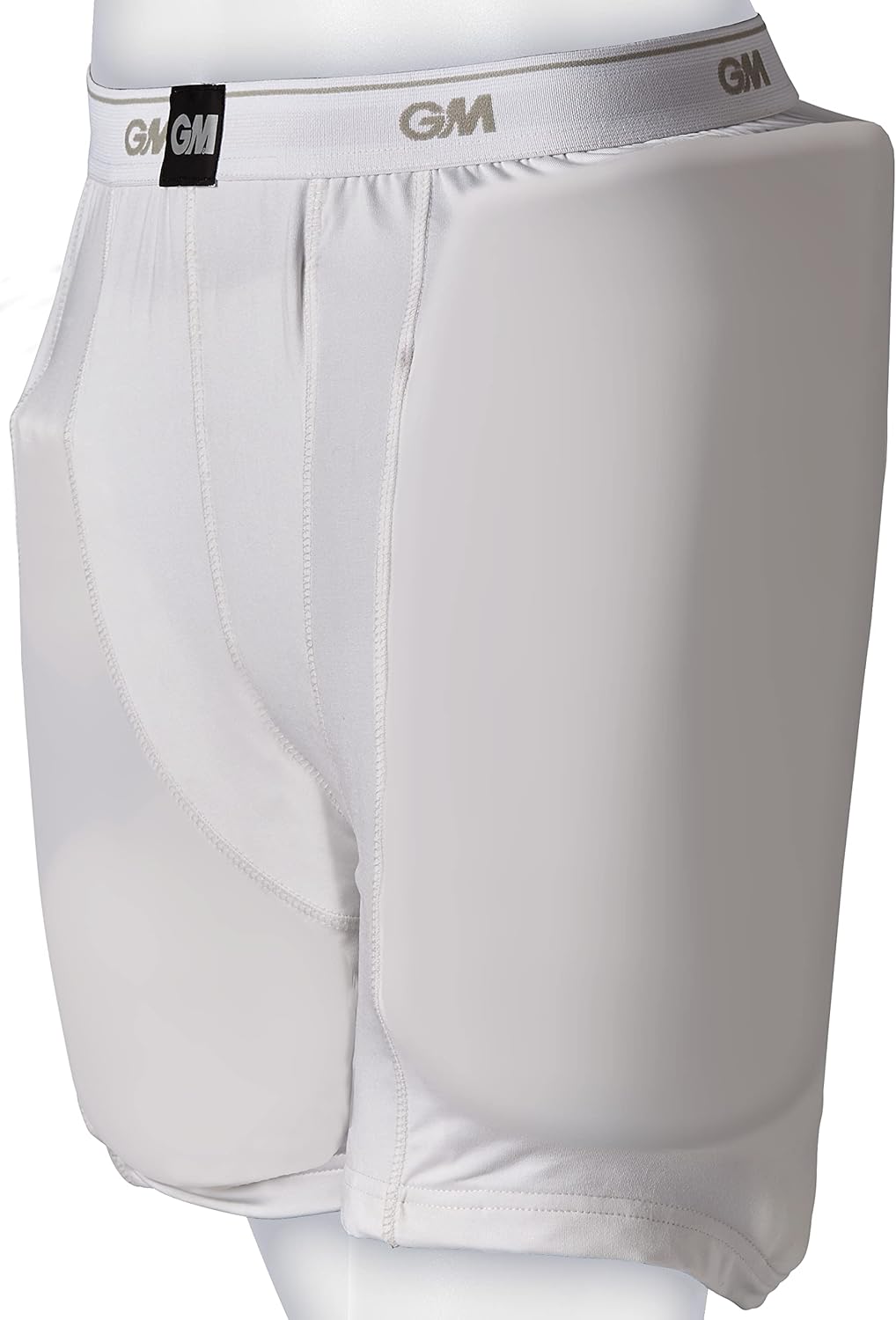
The GM 909 Protective Shorts are not a normal thigh guard. They are padded shorts worn under cricket trousers, with thigh and inner-thigh padding and an integral pouch for an abdominal guard.
This type of protection can be useful if you dislike managing separate thigh straps. The padding stays close to your body under your whites, and the pads can be cut to work for right- or left-handed batting.
There is one detail you cannot miss. The product includes the pouch, not the abdominal guard itself. You still need to buy a cricket box separately and make sure it fits the pouch correctly.
Best for: Batters who prefer lower-body padding underneath their trousers.
What I like: Under-trouser design, thigh and inner-thigh padding, elastic waist, box pouch and a cut-to-fit right- or left-handed setup.
What to watch: A box is not included. These shorts are not automatically a replacement for every player’s preferred thigh-guard setup, so check the coverage before deciding.
Read the full thigh guard guide
What Protective Gear Does a Batter Actually Need?
Start with the basics
For hardball cricket, the core batting kit is usually a helmet, batting pads, batting gloves and an abdominal guard or box. Check your club, league and coach guidance, especially for junior cricket.
Add protection where you need it
Extra protection can include a thigh guard, inner-thigh pad, arm guard, chest guard, rib guard or protective shorts. You do not need to buy every item at once. Think about the areas where you have been hit, the pace you face, and whether your current kit feels secure.
A useful order for beginners
If you are new to hardball cricket, I would get the basics sorted first. After that, thigh protection is usually the first extra item worth considering. An arm guard comes next if you are taking knocks on the forearm. A chest guard is more personal and can wait until you know it would help your game.
Buying for juniors
Junior kit has to fit now. Avoid buying adult protection simply because a player might grow into it later. A guard that slips, twists or sits in the wrong place can be uncomfortable and may not cover the intended area. Parents should ask a coach for guidance if the fit is uncertain.
Arm Guard vs Chest Guard vs Thigh Guard
Arm guards
Arm guards cover the forearm, wrist or elbow area depending on the design. They are useful for players who have taken knocks on the arm or want coverage against balls that climb during batting.
Chest guards
Chest guards sit over the chest or upper-body area. They are a personal choice, often used by batters who face pace, awkward bounce or short-pitched bowling. Make sure you check whether the shape covers only the chest or extends around the upper body.
Thigh guards
Thigh guards protect the front thigh, and all-in-one designs add inner-thigh coverage. For me, thigh protection is the most useful extra guard for a regular hardball club batter once the basic equipment is in place.
Protective shorts
Protective shorts sit beneath cricket trousers and can provide thigh padding, inner-thigh padding or a box pouch. They are not all built in the same way, so read the product details before assuming they replace a conventional thigh guard.
How to Choose Cricket Protective Gear for Batting
Buy for the area you need to protect
If you keep getting hit on the thigh, sort out thigh protection first. If your forearm is the problem, choose an arm guard. Do not add equipment just because another player wears it.
Fit matters more than the logo
A lower-priced guard that stays in place is more useful than an expensive one that slides around. Wear it with your normal batting trousers and check whether it moves when you play shots or run.
Check handedness before ordering
Combination thigh guards often come in right-handed and left-handed versions. The inner pad must go on the correct side, so check the variation carefully on Amazon before you add it to the basket.
Do not chase maximum bulk
A bigger guard may cover more area, but it can also feel restrictive. The goal is to find enough coverage for your cricket without changing your stance or making running uncomfortable.
Use nets as your test session
Do not wait until a match to wear new protective gear for the first time. Use nets to check the fit while batting, running, bending and sweating. Make adjustments there, not in the middle of an innings.
Quick Comparison
| Product | Body Area | Best For | Key Feature | Approx Price |
|---|---|---|---|---|
| Gray-Nicolls Test Armguard | Forearm | Most club batters | Traditional adjustable forearm guard | £20-£32 |
| Ayrtek Hybrid Sweatband | Wrist/forearm | Lightweight feel | Strap-free sweatband design | £18-£19 plus delivery |
| moonwalkr Chest Guard | Chest | Adult club batters | Slim adult chest guard | £50-£54 |
| Aero P1 Chest Protector | Chest | Technical fit | Low-profile adjustable design | Check selected size |
| Gray-Nicolls All In One Academy | Thigh | All-round thigh protection | Inner and outer-thigh coverage | £32-£35 |
| FORTRESS Lower Body Guard | Lower body | Value combo | Inner and outer-thigh pads | Around £28 |
Final Verdict
If you buy one extra piece of batting protection beyond the basics, I would start with a good thigh guard. The Gray-Nicolls All In One Academy is the best all-round pick in this article because it covers the outer and inner thigh and has size and handedness options across the family.
For arm protection, the Gray-Nicolls Test Armguard is the best all-round choice, while the Ayrtek Hybrid Sweatband is better for someone who wants a lighter, strap-free option.
For chest protection, the moonwalkr Cricket Chest Guard is the leading choice from the products I could verify. The Aero P1 is the technical alternative, but choose the exact size before checking price and stock.
If you want lower-body protection under your whites, the GM 909 Protective Shorts are worth considering. Just remember that you will need to buy the cricket box separately.
Frequently Asked Questions
What protective gear does a cricket batter need?
For hardball cricket, the basics normally include a helmet, batting pads, batting gloves and an abdominal guard or box. Many batters also choose thigh protection, while arm and chest guards depend more on personal preference and playing conditions.
Do all batters need a chest guard?
No. A chest guard is optional. It may be useful for a player who faces pace, uncomfortable bounce or short-pitched bowling, but it is not necessary for everyone.
Is a thigh guard necessary for cricket?
Most hardball batters wear thigh protection because the thigh is a common area to be hit. A correctly fitted guard can help reduce impact, but it cannot guarantee complete protection.
Should juniors wear extra batting protection?
Juniors should use properly fitted protection for the type of cricket they play. Parents and coaches should check that every item stays in place and does not restrict movement.
Are protective shorts the same as a box?
No. Protective shorts can include padding and a pouch for a box. The abdominal guard itself is often sold separately, so always check the product contents.
Can cricket protective gear prevent all injuries?
No. It can reduce the impact of a ball, but no guard can guarantee complete protection. Correct fit, secure fastening and sensible use are essential.