Best Cricket Training Balls UK 2026: Incrediballs, Rubber and Soft Practice Balls
Looking for cricket training balls in the UK? Here are honest picks for juniors, beginners, coaches, indoor nets, garden practice and year-round training.
A good training ball depends on what you are trying to practise. If you are coaching young children, you want something soft. If you are helping juniors move towards hardball cricket, an incrediball is better. If you are training outside in wet UK conditions, a rubber training ball can be useful.
This is where a lot of people buy the wrong thing. A very soft ball is safe but not realistic. A leather ball is realistic but not safe for casual practice. Training balls sit in between.
This guide focuses on practice balls, coaching balls, rubber balls, incrediballs and specialist training balls. It is written for UK parents, coaches, beginners and recreational cricketers.
Quick Picks: Best Cricket Training Balls UK 2026
| Product | Best For | Price Range |
|---|---|---|
| ONEGlobal Incrediball | Best overall training ball | Around £18 for 3 |
| FORZA/FORTRESS Incrediballs | Best for young players | £5-£25 |
| GM All Weather Balls | Best rubber training ball | Around £8 |
| RAM Cricket Softee | Best for coaching sessions | Check price |
| GM Skills Ball | Best for structured drills | Check price |
| Mozi Sports Heavy Rubber Tennis Balls | Best for net bowling practice | Around £18 for 6 |
My Top 7 Cricket Training Balls in the UK
1. ONEGlobal Incrediball
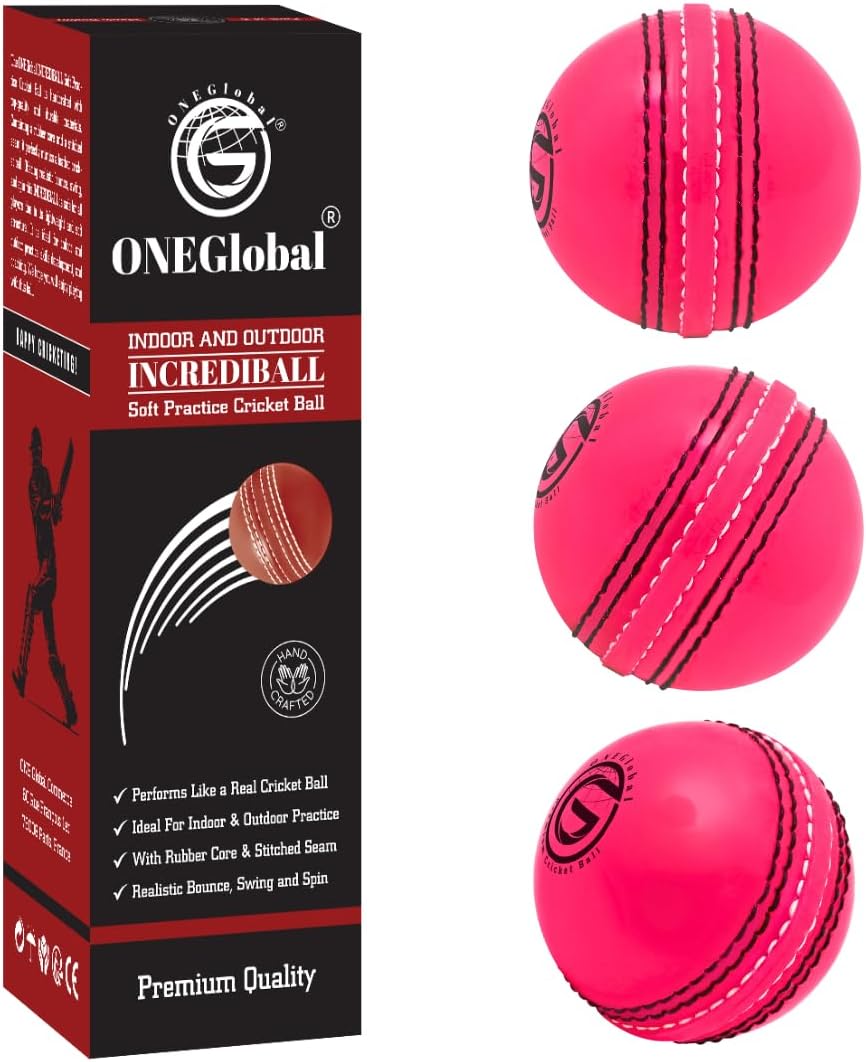
The ONEGlobal Incrediball is the best overall training ball in this list. It has a stitched seam, junior and senior sizes, and a firmer feel than a basic windball. That makes it useful for players moving towards hardball cricket.
I like this ball for transition training. It gives young players a better sense of seam, bounce and contact without jumping straight to a full leather ball.
What I like: Stitched seam, strong review base, junior and senior sizes, good transition ball.
What to watch: It is firmer than some people expect. For very young or nervous beginners, use a softer ball first.
2. FORZA/FORTRESS Cricket Incrediballs
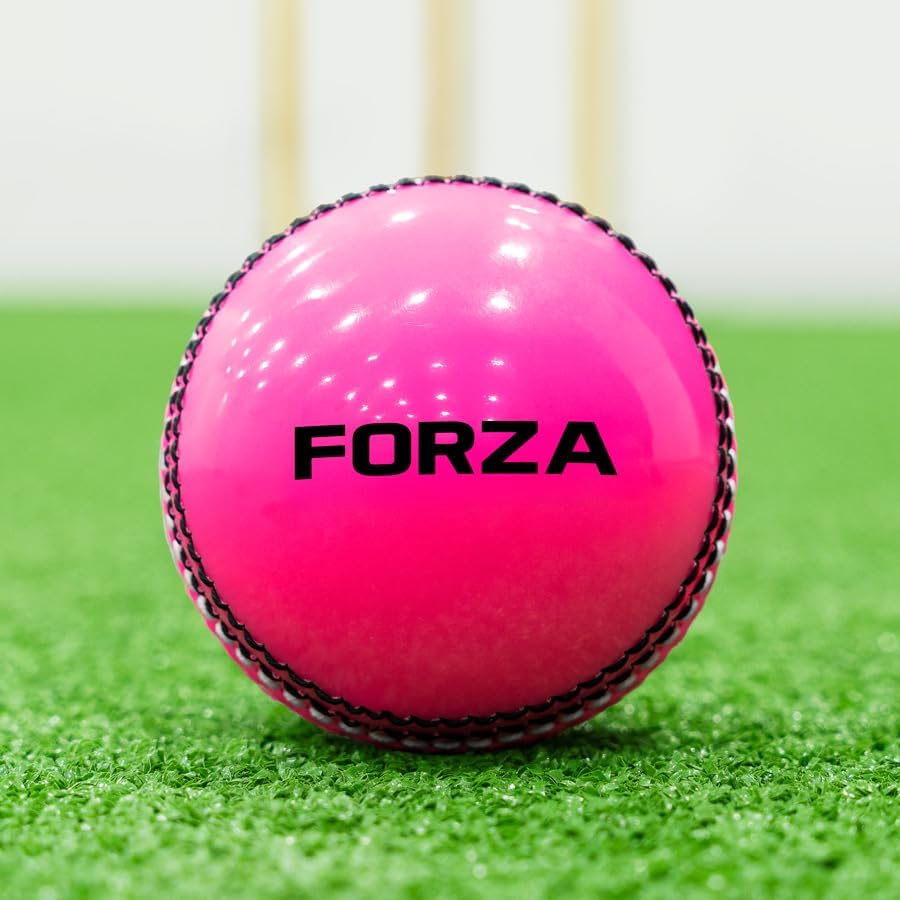
The FORZA/FORTRESS Incrediballs are another practical training option. They come in junior and senior versions and have a foam core with a stitched seam. That makes them useful for schools, juniors and beginner practice.
They are safer than leather but still cricket-specific enough for basic batting and bowling drills. For parents picking a first practice ball that is safer than leather but more cricket-like than a windball, this is a good place to start.
What I like: Safer than leather, junior and senior options, stitched seam, good for schools and beginners.
What to watch: It is still not a proper hardball. Players preparing for league cricket will eventually need to practise with leather.
3. GM All Weather Balls
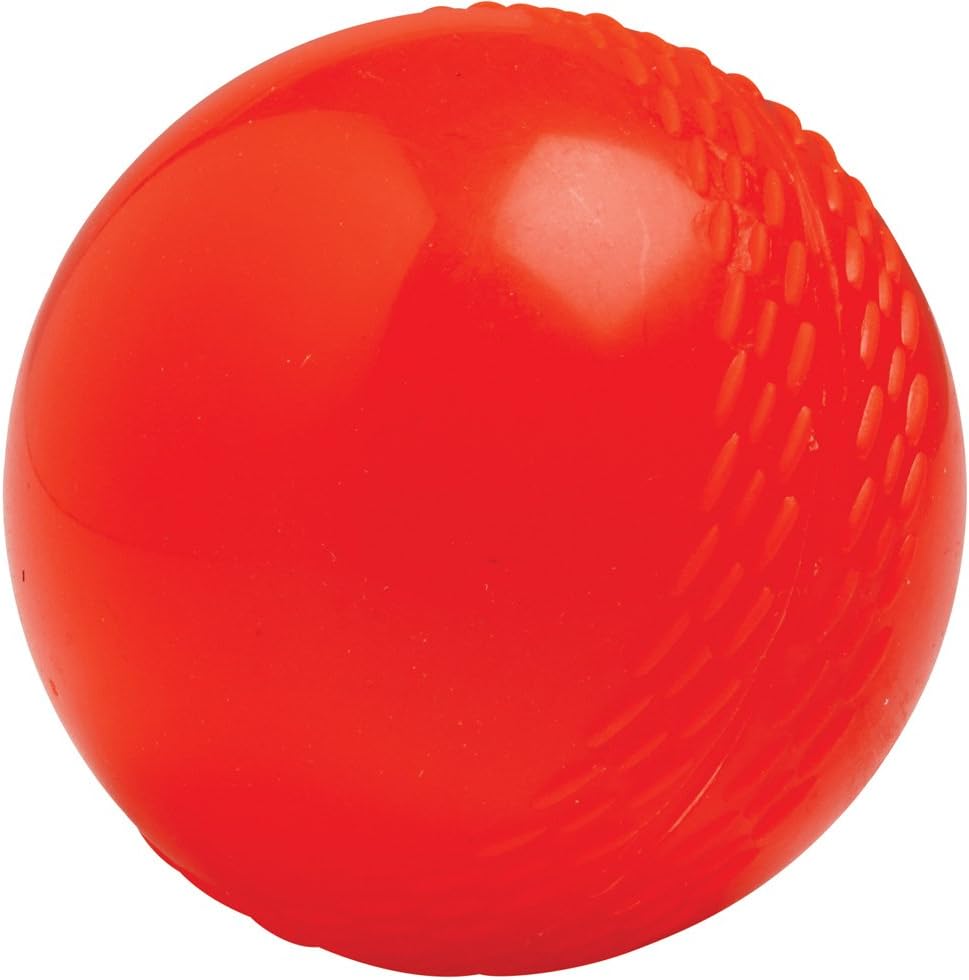
The GM All Weather Ball is useful for outdoor UK practice. It is a rubber training ball designed to survive damp ground and mixed conditions. That makes it a practical choice for winter drills, wet grass, and casual outdoor training.
Because it is rubber, it will not behave like a leather cricket ball. But for basic batting, catching, throwing and bowling drills, it is handy.
What I like: Good for damp UK conditions, GM brand, bright orange, durable rubber construction.
What to watch: No real leather-ball seam or swing. Do not use it as your only practice ball if you play hardball cricket.
4. RAM Cricket Softee Coaching Ball
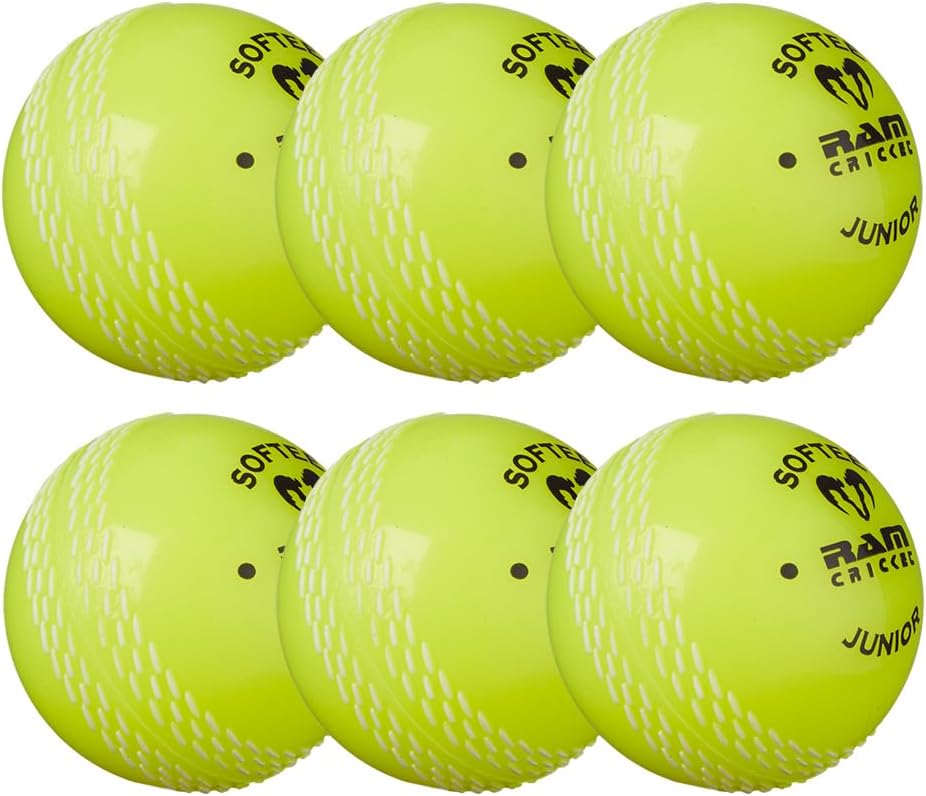
The RAM Cricket Softee is best for coaching sessions with younger or nervous players. It is very soft and designed to reduce fear of the ball. That is important with children who are new to cricket.
This is not a ball for realistic match practice. It is for confidence, hand-eye coordination and early batting drills.
What I like: Very safe, good for young children, useful for coaches, comes as a pack.
What to watch: Too soft for serious cricket practice. It will not help much with leather-ball timing or technique.
5. GM Skills Ball
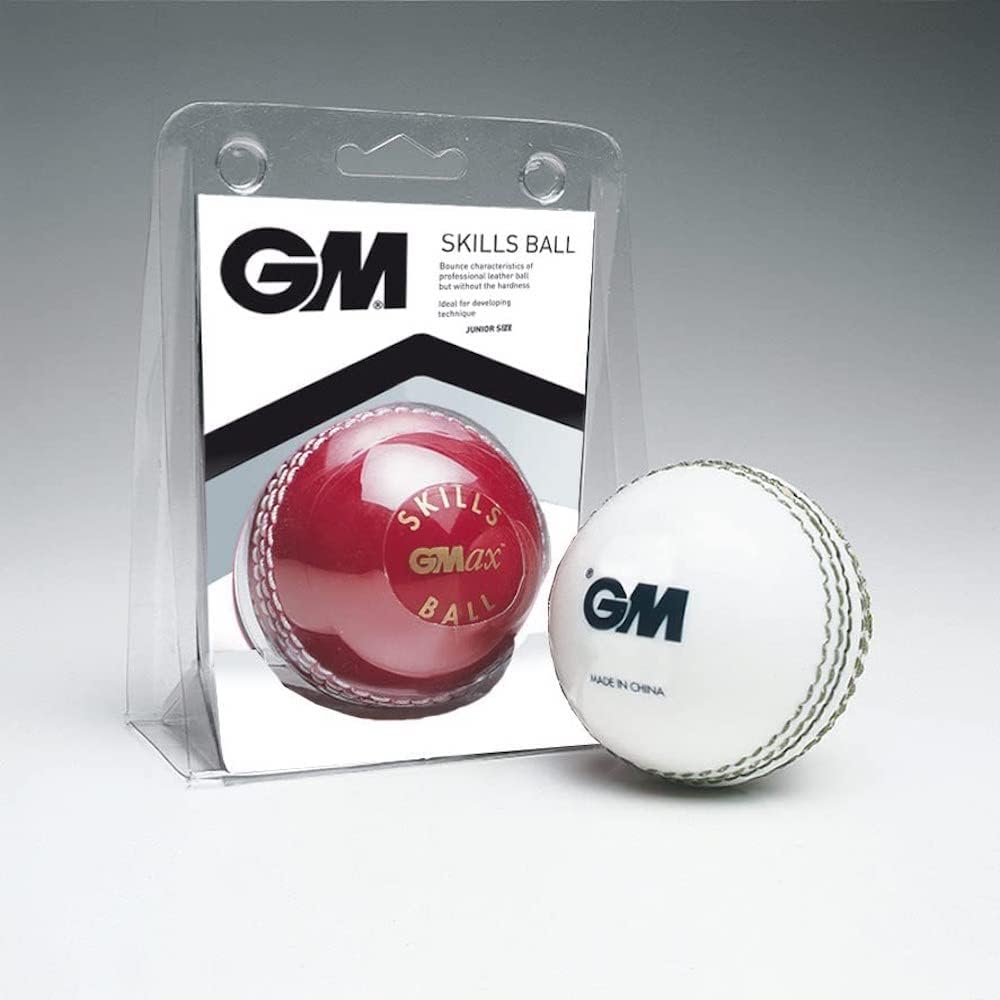
The GM Skills Ball is designed for structured skill work. It is more cricket-specific than a basic soft ball and comes in adult and junior versions. The junior version is around 4.75oz, which gives players a more realistic weight to practise with.
This works well for coaches running drills, parents doing throwdowns at home, and juniors who need something more cricket-focused than a tennis ball.
What I like: GM brand, adult and junior options, useful for structured drills, more cricket-specific than basic soft balls.
What to watch: It is not a match ball. Check the current Amazon listing for pricing before you buy.
6. Mozi Sports Heavy Rubber Tennis Balls for Cricket
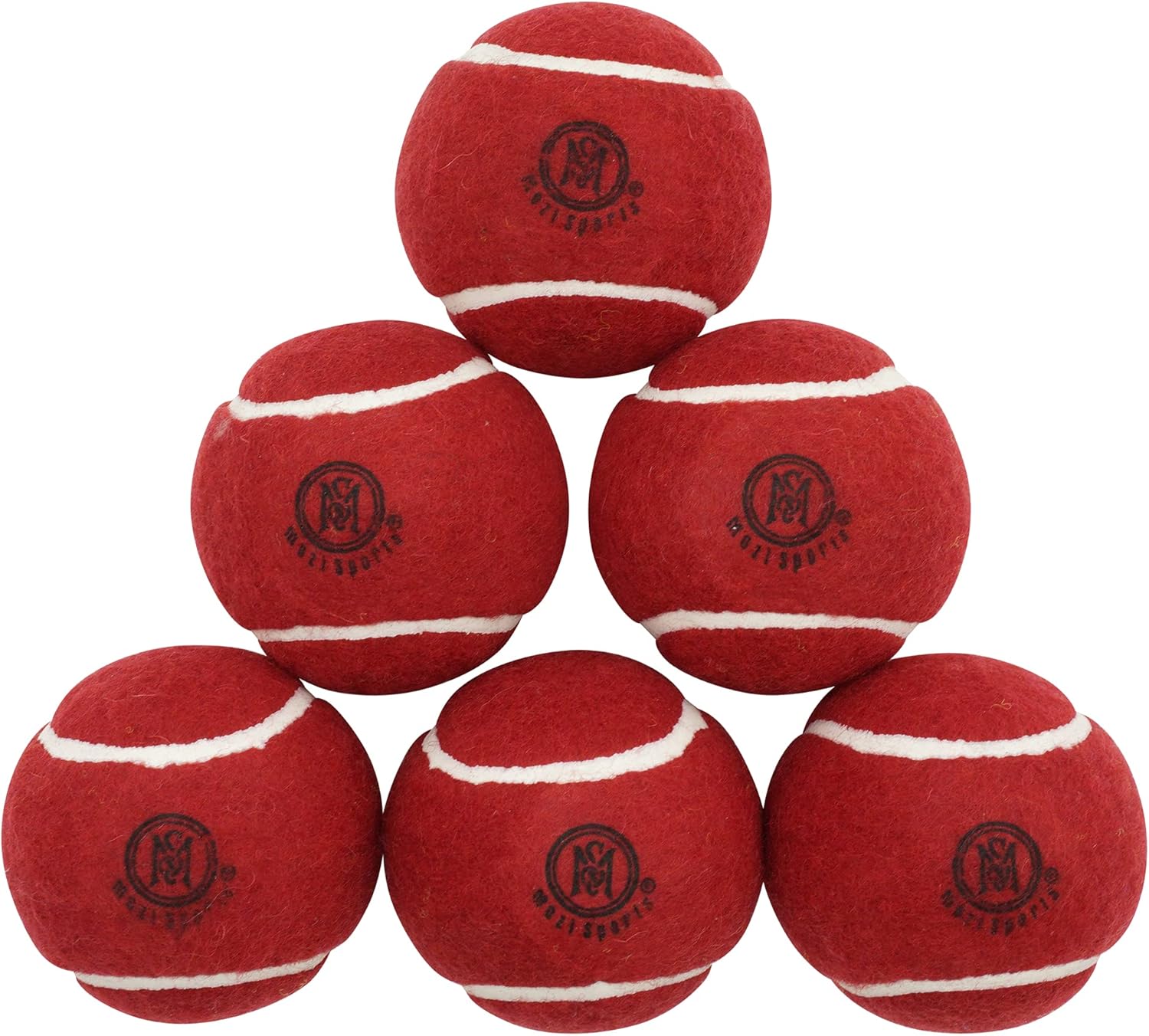
These Mozi heavy rubber tennis balls are useful for net practice and hard-surface drills. At around 120g, they are heavier than normal tennis balls and closer to a cricket training feel, but still not the same as a leather ball.
They can be handy for bowlers, throwdowns, and repetitive training where you do not want to damage leather balls.
What I like: Good value 6-pack, heavier than a tennis ball, useful for nets and repeated drills.
What to watch: No seam and no true swing. It is a training tool, not a cricket ball replacement.
7. Readers Indoor Cricket Ball
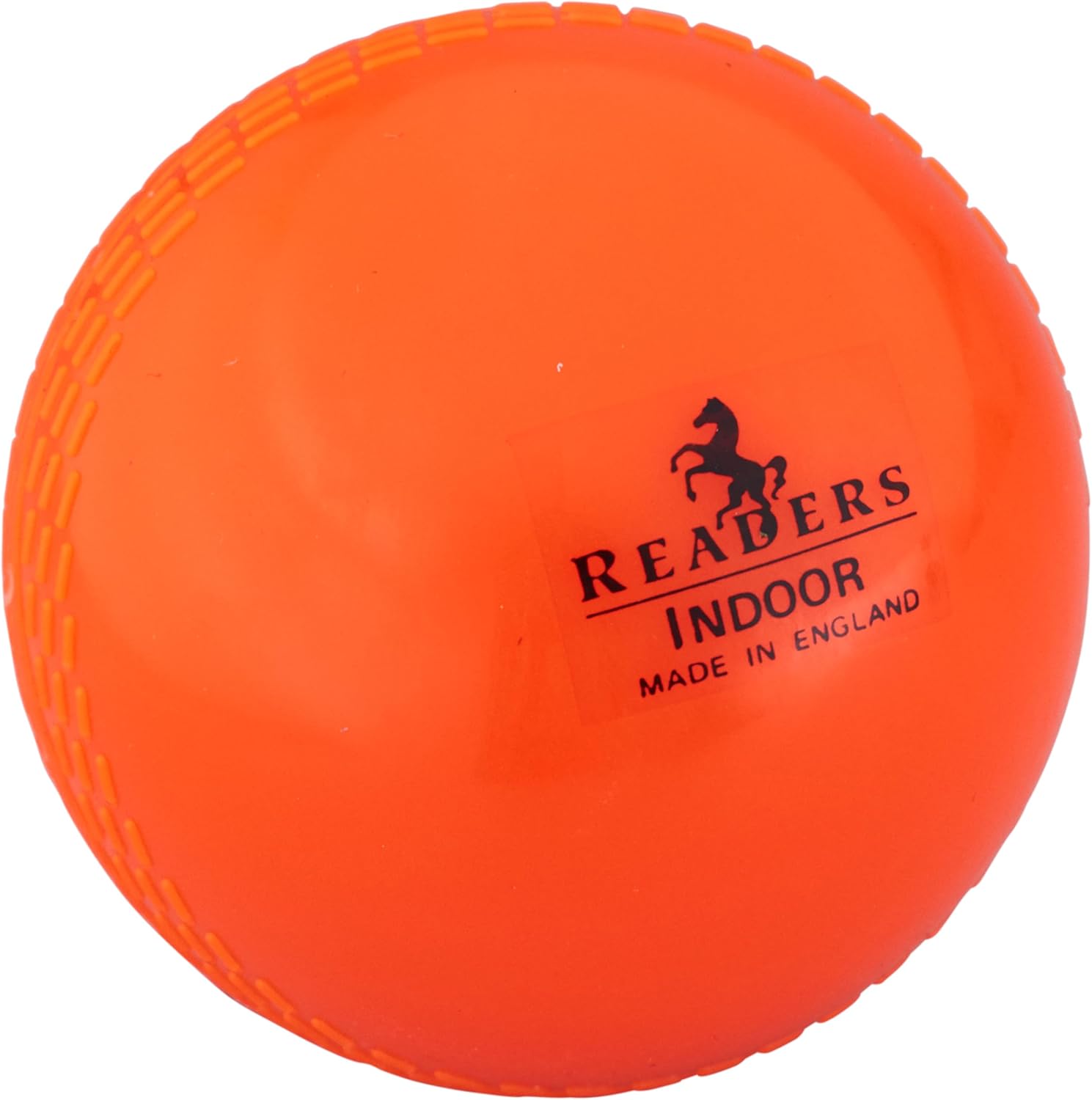
The Readers Indoor Cricket Ball is a specialist product. It is made for indoor cricket formats, not normal outdoor cricket practice. If you play indoor cricket in enclosed courts, this is relevant.
For most club cricketers, this is not a necessary purchase. But for indoor leagues or specific indoor coaching, it has a place.
What I like: Readers brand, specialist indoor cricket use, proper option for indoor formats.
What to watch: Hard plastic feel and very specific use case. Not for general garden or outdoor cricket practice.
How to Choose Cricket Training Balls
Use soft balls for confidence
Young beginners need confidence before realism. A soft ball helps them learn to watch the ball without fear.
Use incrediballs for transition
Once a player is comfortable, an incrediball is a good next step. It gives a better cricket feel than a windball.
Use leather only with kit
Leather balls are not casual training balls. Use pads, gloves, helmet and proper supervision.
Think about your surface
Indoor halls, gardens, artificial wickets, nets and grass all behave differently. A ball that works in a garden may not be right in nets.
Coaches need packs
For coaching, packs of 3 or 6 are more useful than single balls. You get more repetition and less time chasing balls.
Quick Comparison
| Product | Best For | Ball Type | Approx Price |
|---|---|---|---|
| ONEGlobal Incrediball | Transition training | Incrediball | Around £18/3 |
| FORZA/FORTRESS Incrediballs | Young players | Foam-core incrediball | £5-£25 |
| GM All Weather Balls | Wet practice | Rubber training | Around £8 |
| RAM Cricket Softee | Coaching confidence | Soft plastic | Check price |
| GM Skills Ball | Structured drills | Skills ball | Check price |
| Mozi Heavy Rubber Tennis Balls | Net drills | Heavy rubber ball | Around £18/6 |
Final Verdict
The ONEGlobal Incrediball is my top cricket training ball for most UK players. It gives a better cricket feel than a windball while still being more beginner-friendly than leather.
For younger players, the FORZA/FORTRESS Incrediballs are the right option at their age and level. For very young or nervous players, start with the RAM Cricket Softee because confidence matters before realism.
For outdoor UK practice, the GM All Weather Ball is useful because it handles damp conditions better than most other practice balls.
Frequently Asked Questions
What is the best cricket training ball for beginners?
An incrediball or windball is best for most beginners. Very young children should start with softer coaching balls.
Can you use leather balls for training?
Yes, but only with full protective kit and proper supervision. Leather balls are hard.
Are incrediballs safe for juniors?
They are safer than leather, but some are firmer than expected. Choose based on age and confidence.
What ball should coaches use for young children?
A soft coaching ball like the RAM Softee is best for removing fear and building basic hand-eye coordination.
Are rubber cricket balls realistic?
Not really. They are useful for practice, but they do not replicate leather-ball seam, swing or bounce.