Best Junior Cricket Balls UK 2026: Leather, Soft and School Picks
Buying cricket balls for juniors? Here are honest UK picks for junior leather balls, windballs, incrediballs, school cricket and safe beginner practice.
Buying cricket balls for children needs a bit of care. A leather ball is not just a slightly harder training ball. It is a proper hard cricket ball and needs protective kit, supervision and the right age group.
For younger children, windballs, incrediballs and soft coaching balls are usually better. For older juniors playing hardball cricket, a 4.75oz leather ball is more suitable than a senior ball.
This guide is written for parents, junior coaches and school cricket buyers in the UK. I have included soft options, training options and junior leather balls, with clear notes on safety.
Quick Picks: Best Junior Cricket Balls UK 2026
| Product | Best For | Price Range |
|---|---|---|
| Gray-Nicolls Crest Academy 4.75oz | Best junior leather ball | £9-£14 |
| Zipper Junior 4.75oz Leather Ball | Best budget junior leather | Around £11 |
| ONEGlobal Windball 3-pack | Best windball for juniors | Around £14 for 3 |
| FORZA/FORTRESS Incrediballs Junior | Best for young beginners | £5-£25 |
| GM Skills Ball Junior | Best for junior skill development | Check price |
| Readers Special School Leather Ball | Best for school cricket | Check price |
My Top 7 Junior Cricket Balls in the UK
1. Gray-Nicolls Crest Academy 4.75oz
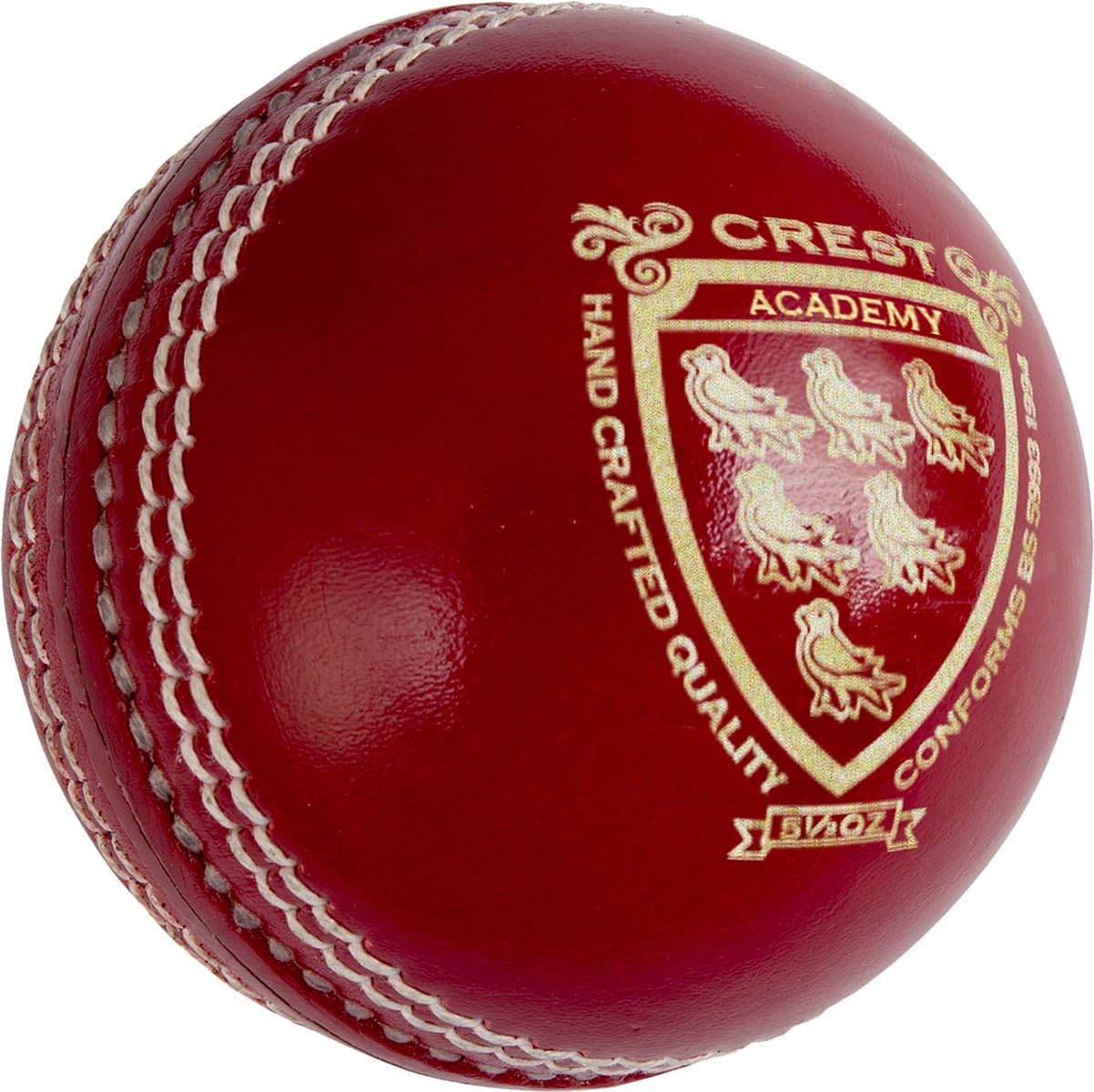
The Gray-Nicolls Crest Academy 4.75oz is my top pick for juniors who are already playing hardball cricket. It is a proper leather ball from a trusted UK cricket brand and comes in the correct junior weight.
This is not for casual garden cricket. It is for junior nets, club training and age-group hardball cricket where players use protective kit.
What I like: Trusted brand, proper junior weight, good price, suitable for hardball development.
What to watch: It is still a hard leather cricket ball. It should only be used with protective equipment.
2. Zipper Junior 4.75oz Leather Ball
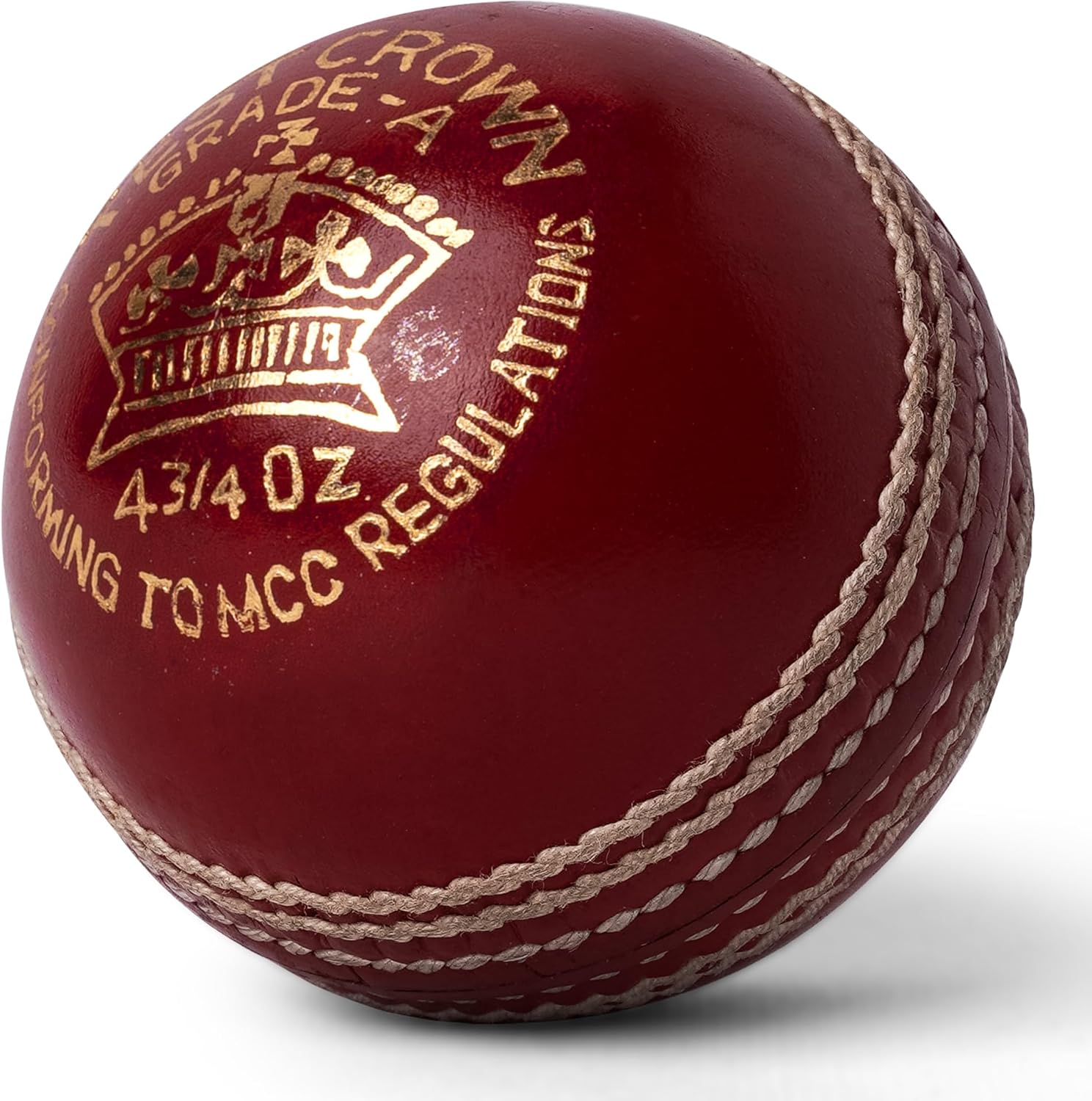
The Zipper Junior 4.75oz leather ball is a cheaper junior hardball option. It is useful for parents who want a low-cost leather ball for supervised practice or junior nets.
The 4.75oz weight is the important detail. A junior should not be using a senior 5.5oz ball too early unless their league age group requires it.
What I like: Correct junior weight, low price, useful for junior hardball practice.
What to watch: Zipper is not as well-known as Gray-Nicolls or Kookaburra, and the review base is smaller.
3. ONEGlobal Windball 3-pack
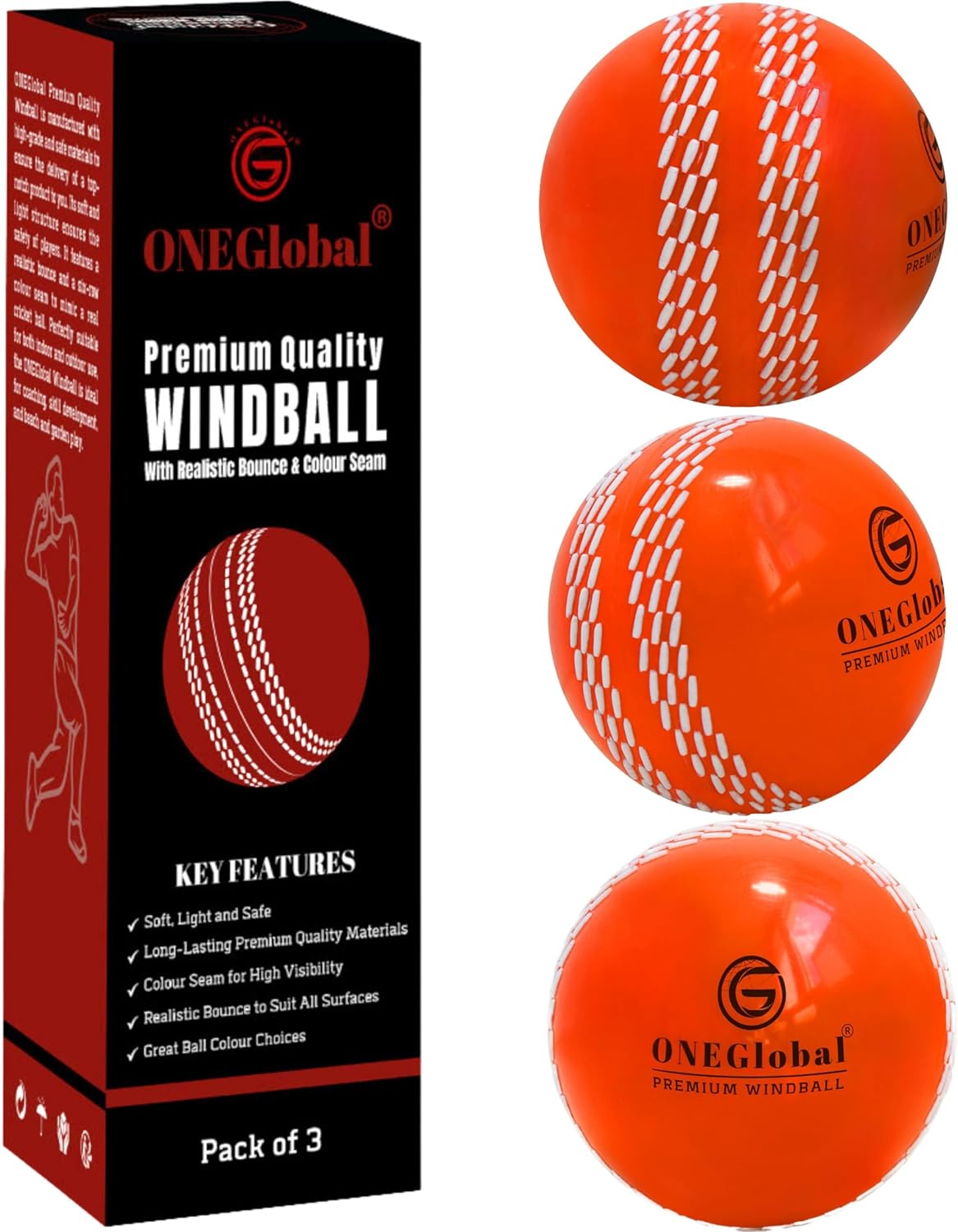
The ONEGlobal Windball 3-pack is a good option for younger juniors, garden cricket and beginners. These are soft PVC windballs, available in several bright colours, and they do not need full protective kit for casual use.
Windballs are ideal when children are learning to watch the ball, swing a bat and bowl without fear. They are also useful for parents who want a safer ball for garden cricket.
What I like: Safe for casual use, bright colours, good value 3-pack, beginner-friendly.
What to watch: At around 90g, it is much lighter than a leather cricket ball. It will not prepare a junior fully for hardball cricket.
4. FORZA/FORTRESS Incrediballs Junior
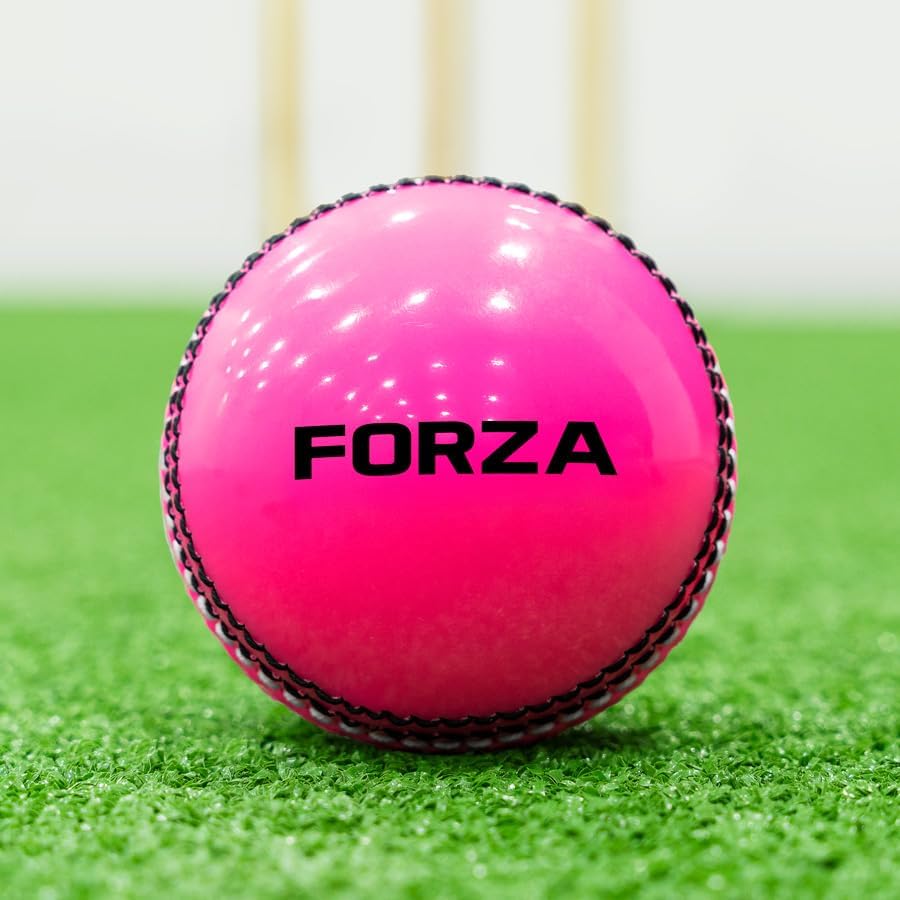
The FORZA/FORTRESS Incrediballs sit between windballs and leather balls in terms of feel. The junior version is lighter and safer than leather, but the stitched seam gives a more cricket-like experience than a basic soft ball.
For young beginners and schools, this is a good training ball. It is more realistic than a very soft plastic ball but still safer than a leather hardball.
What I like: Good transition ball, stitched seam, safer than leather, suitable for schools and junior practice.
What to watch: Still not a true leather-ball feel. Once a junior enters hardball cricket, they need to practise with proper hardballs too.
5. GM Skills Ball Junior
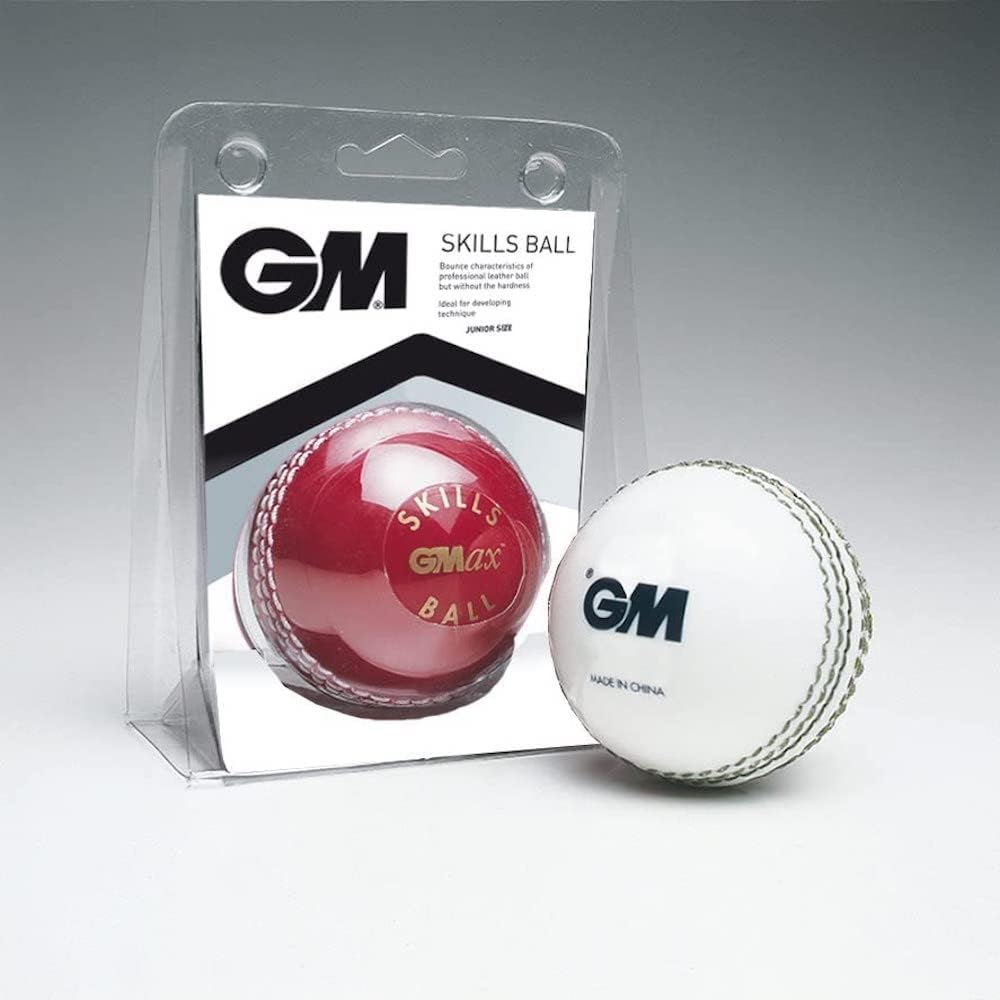
The GM Skills Ball Junior is designed for structured coaching and skills work. It is useful for batting drills, hand-eye coordination and controlled practice.
I would use this more as a coaching tool than a match-style ball. It suits parents and coaches who want a cricket-specific training ball from a known brand.
What I like: GM brand, useful for coaching drills, junior option, more cricket-focused than a tennis ball.
What to watch: It is not a match ball, and pricing should be checked before buying.
6. Readers Special School Leather Ball
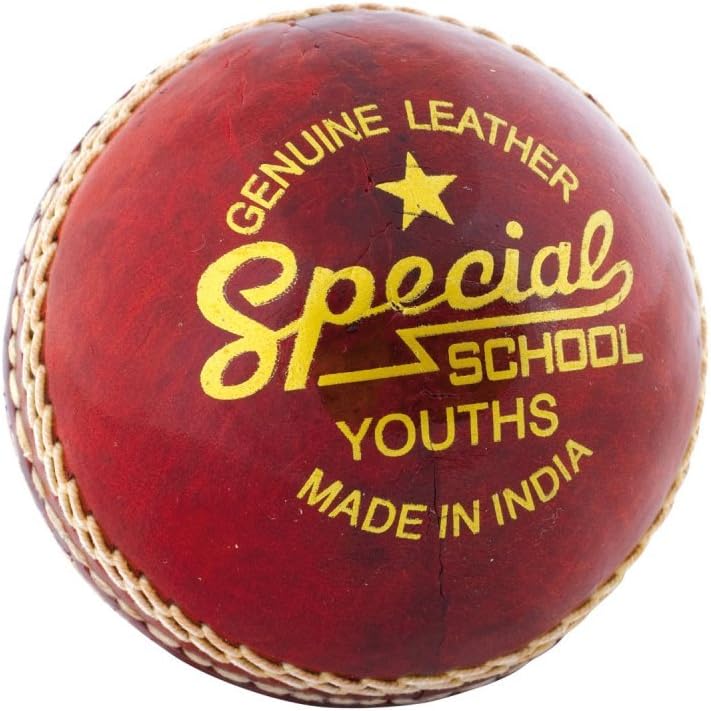
The Readers Special School Leather Ball is a specialist school cricket option. It is designed for school use, with reduced bounce and a safer feel than a standard leather hardball.
This type of ball can be useful for PE lessons, school cricket and junior sessions where full hardball kit is not always used. Check the current Amazon listing before buying to confirm the price and availability.
What I like: School-focused design, Readers brand, useful for supervised junior cricket.
What to watch: Stock and pricing can vary on this listing. Check the current Amazon page for up-to-date details before you buy.
7. FORTRESS Kwik Cricket Windballs
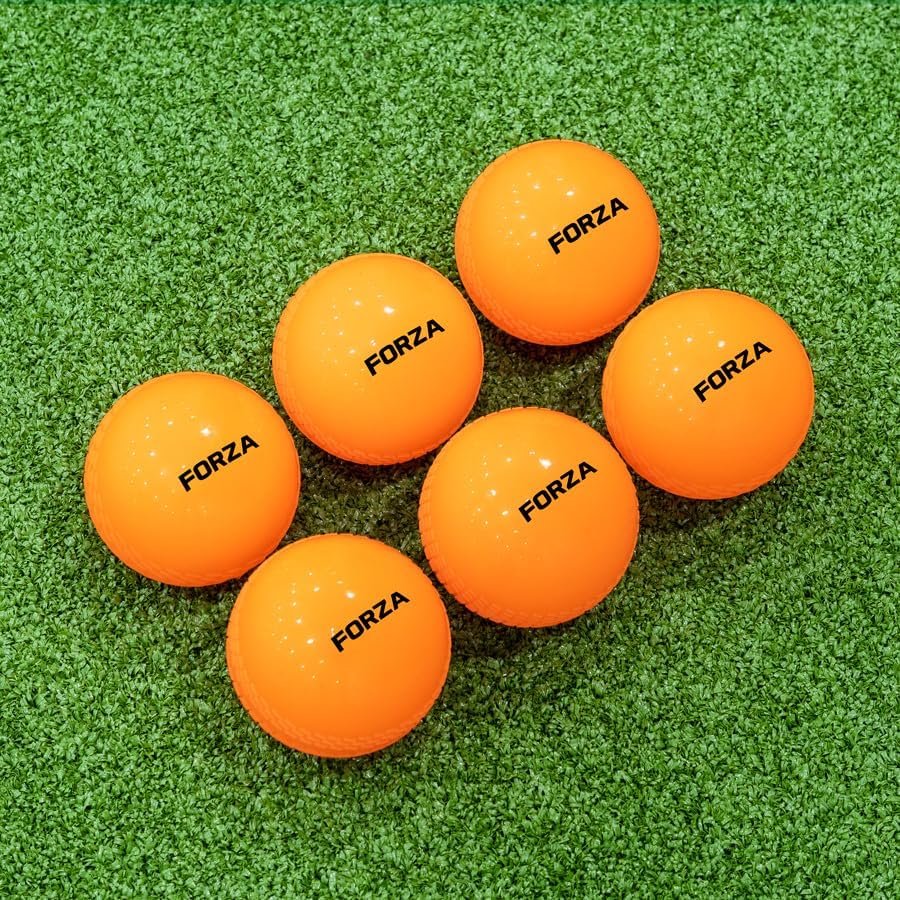
The FORTRESS Kwik Cricket Windballs are aimed at Kwik Cricket, school games and younger players. They usually come as a pack, which is useful for coaches and schools.
This is a soft-ball cricket option rather than a hardball development tool. It is useful for group practice, festivals and fun games.
What I like: Good for Kwik Cricket, pack format, useful for schools and young juniors.
What to watch: Some reviews mention a strong chemical smell. I would check recent reviews before buying for children.
How to Choose Cricket Balls for Juniors
Start with safety
Young beginners should not start with a leather ball. Use a windball, soft ball or incrediball until they are ready.
Use the correct weight
Junior leather balls are commonly 4.75oz. Do not buy a senior 5.5oz ball unless their age group uses it.
Leather means protective kit
A junior leather ball still hurts. Use pads, gloves, helmet, box and supervision.
Windballs are good for confidence
Windballs help children learn without fear. They are ideal for gardens, schools and first practice sessions.
Incrediballs are a good transition
Once juniors are comfortable, an incrediball helps them adjust to a more cricket-like seam and bounce.
Quick Comparison
| Product | Best For | Ball Type | Approx Price |
|---|---|---|---|
| Gray-Nicolls Crest Academy | Junior hardball | Leather 4.75oz | £9-£14 |
| Zipper Junior Leather | Budget junior hardball | Leather 4.75oz | Around £11 |
| ONEGlobal Windball | Garden cricket | Windball | Around £14/3 |
| FORZA/FORTRESS Incrediballs | Young beginners | Incrediball | £5-£25 |
| GM Skills Ball Junior | Coaching drills | Skills ball | Check price |
| Readers Special School | School cricket | Reduced-bounce leather | Check price |
Final Verdict
The Gray-Nicolls Crest Academy 4.75oz is the best junior leather cricket ball for young players already in hardball cricket.
For younger children, I would not start with leather. The ONEGlobal Windball 3-pack is better for garden cricket and beginners, while the FORZA/FORTRESS Incrediballs Junior are a good step towards hardball cricket.
For school cricket, the Readers Special School Leather Ball is worth looking at, but check the current Amazon listing before buying.
Frequently Asked Questions
What cricket ball should juniors use?
Beginners should use a windball or soft training ball. Juniors playing hardball cricket usually use a 4.75oz leather ball.
Can children use a leather cricket ball?
Yes, but only with protective kit, proper supervision and the correct age-group ball.
What is the safest cricket ball for children?
A soft coaching ball or windball is safest for young beginners.
What is the difference between a windball and an incrediball?
A windball is softer and lighter. An incrediball is firmer and usually feels more like a cricket ball.
Should parents buy a senior cricket ball for juniors?
No, not unless their age group specifically uses senior-weight balls. Most juniors need lighter balls.