
Best Cricket Shoes UK 2026: Honest Picks for Club and Recreational Players
Looking for cricket shoes in the UK? Here are honest picks for beginners, club cricketers, bowlers, juniors, and all-rounders, with clear advice on spikes, rubber soles, comfort, and grip.
Buying cricket shoes is more confusing than it should be. Some players need spikes. Some need rubber soles. Some play mostly on artificial wickets. Some only play a few Sunday friendlies and just want something comfortable that will not slip.
For UK club cricket, the right shoe depends on where you play. Grass wickets, damp outfields, indoor nets, and artificial pitches all need slightly different grip. A fast bowler also needs more support than someone who mainly bats and fields.
This guide is for beginners, club cricketers, juniors moving into adult cricket, and players putting a proper kit together for the first time. I want to give you a straight answer on what each shoe is actually suited for.
Prices and availability on Amazon UK change often, so always check the current listing before buying.
Quick Picks: Best Cricket Shoes UK 2026
| Product | Best For | Price Range |
|---|---|---|
| GM Original Rubber Sole Cricket Shoes | Best overall | £50–£64 |
| SOLM8 S60Pro Spike Cricket Shoes | Best for bowlers | Around £65 |
| GM Aion Spike Cricket Shoes | Best spiked all-rounder | £51–£70 |
| DSC Jaffa 22 Cricket Shoes | Most popular pick | £41–£67 |
| SOLM8 S4 Cricket Shoes | Best for wide feet | Around £49 |
| Kookaburra KC 3.0 Spike Cricket Shoes | Best Kookaburra spike | £50–£57 |
My Top 7 Cricket Shoes in the UK
1. GM Original Rubber Sole Cricket Shoes
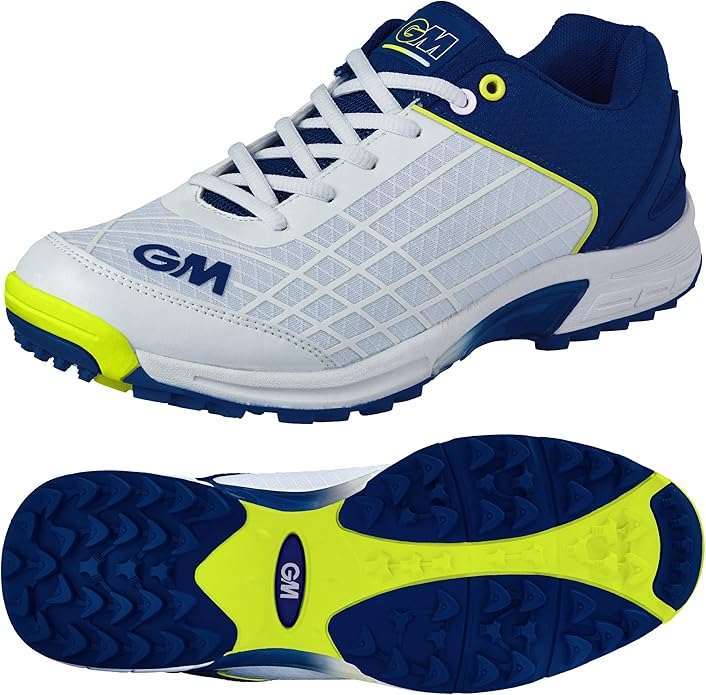
The GM Original Rubber Sole shoes are my best overall pick for most recreational players. They suit more situations than a full spike shoe. If you play on artificial wickets, indoor nets, dry grass, or mixed club surfaces, rubber sole shoes are usually the safer first choice.
These shoes cover junior and senior sizes, which makes them useful for both adults and younger players. The moulded pimple studs offer grip without the commitment of metal spikes. They also have a mesh upper, arch support, a TPR heel cradle, and layered cushioning. For a beginner or all-round club player, that build covers the basics without overcomplicating things.
What I like: Versatile sole, trusted GM brand, good size range, comfortable for mixed cricket surfaces.
What to watch: Some buyers report sole peeling after regular use. Worth checking the most recent reviews before you buy.
2. SOLM8 S60Pro Spike Cricket Shoes
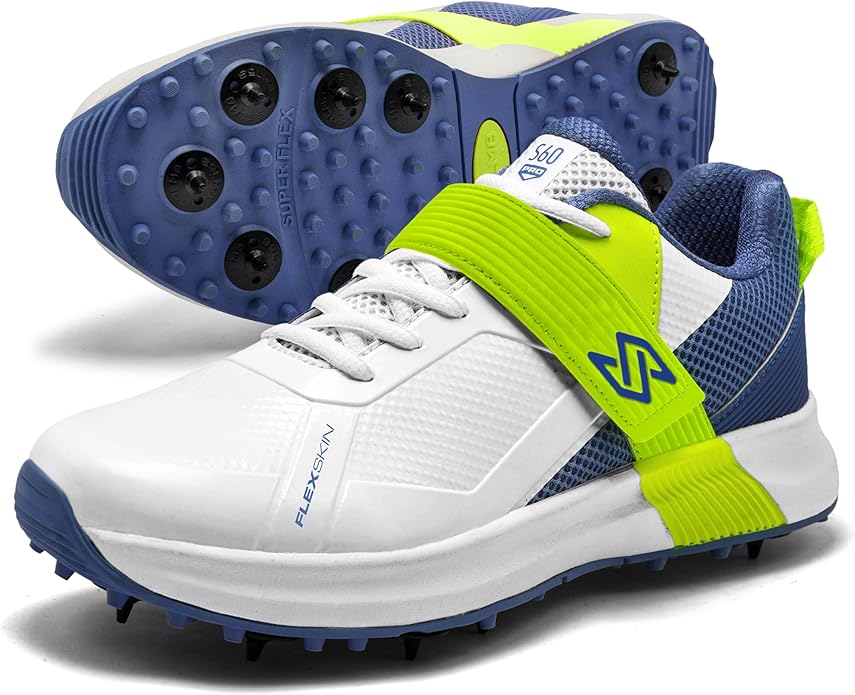
The SOLM8 S60Pro is the top pick here for bowlers and serious club players who want proper metal spikes. It has replaceable spikes, a secure strap, an EVA midsole, and an easy-clean FlexSkin upper. For English grass wickets, especially when conditions are soft or damp, proper spikes can make a big difference.
Fast bowlers in particular need grip at the crease. Slipping during delivery stride is not just annoying, it can also put pressure on your front knee, ankle, and back. These shoes are designed more for match play than casual nets.
What I like: Strong grip, replaceable metal spikes, secure strap, good option for bowlers and grass wickets.
What to watch: The review base is still small compared with older cricket shoe models. They also seem to run snug, so check sizing carefully.
3. GM Aion Spike Cricket Shoes
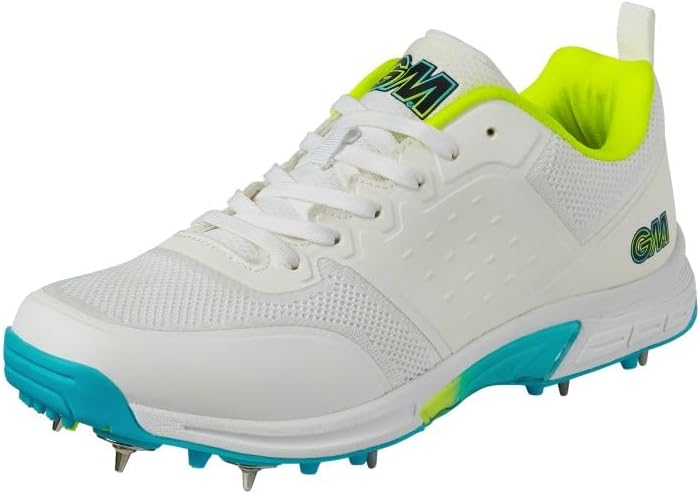
The GM Aion Spike covers more ground than a single-use bowling shoe. It has metal spikes plus moulded pimple studs, which should help on variable UK surfaces. That makes it useful for players who want grip on grass but do not want something that feels too extreme.
The Aion also covers junior and adult sizes, which is useful for club players and older juniors starting to play more serious cricket. The breathable microfibre PU upper, GM loPro outsole, and tri-layer cushioning give it a clear edge over the cheaper entry-level options.
What I like: Adult and junior sizes, good all-round spike setup, trusted GM brand, useful for grass wicket cricket.
What to watch: There are some reports of sole detachment and toe wear, especially for pace bowlers. I would not ignore that if you bowl a lot.
4. DSC Jaffa 22 Cricket Shoes
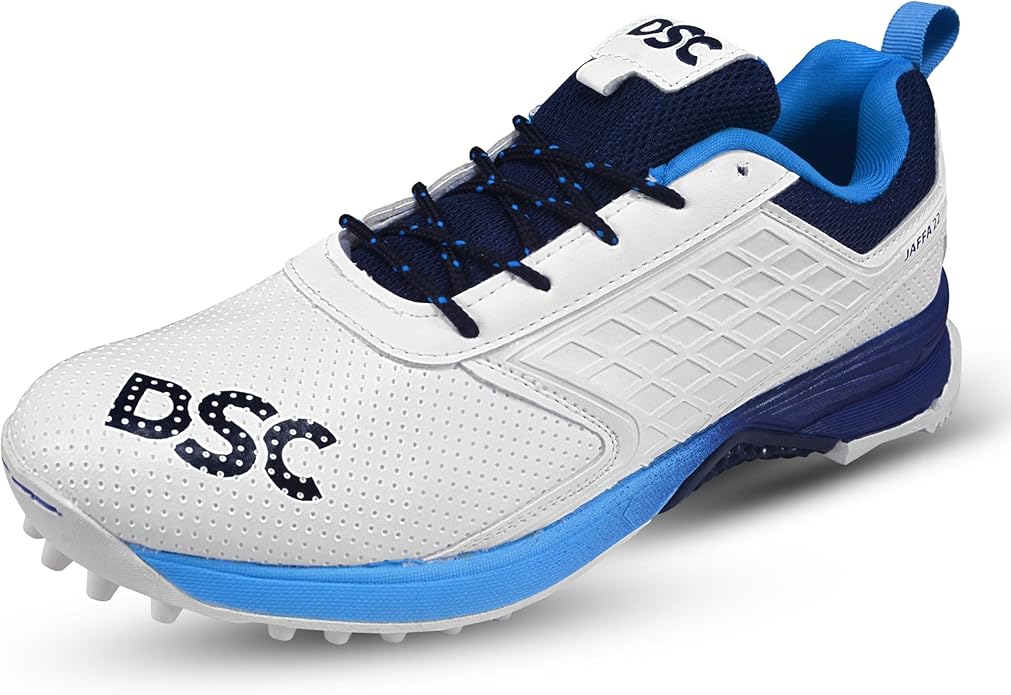
The DSC Jaffa 22 is one of the more popular rubber sole cricket shoes in this list. It comes in a good size range and several colours, depending on the listing. It suits both club players and juniors looking for the same shoe, so if you are buying for more than one person in a club or family, it covers a lot of ground.
The rubber rounded lugs, EVA midsole, breathable mesh, and TPU midfoot shank make it more of an all-round cricket trainer than a specialist bowling shoe. It works well on artificial wickets, nets, dry outfields, and general recreational cricket.
What I like: Popular model, wide size range, breathable upper, good for beginners and multi-surface use.
What to watch: It may not grip well on damp grass. Some buyers also mention short laces, and pricing can vary a lot between listings.
5. SOLM8 S4 Cricket Shoes
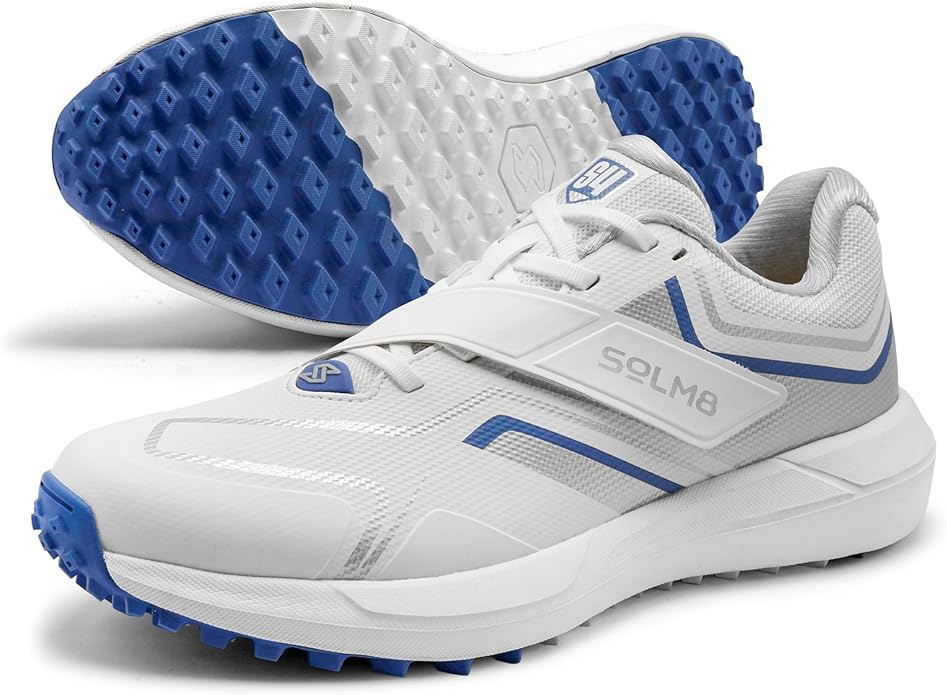
The SOLM8 S4 is a rubber cleat cricket shoe with a wider toe box and a diagonal Velcro strap. That makes it stand out from most cricket shoes, which are usually standard lace-up designs. It is also listed as unisex, so it could suit both men and women.
The Diamond Pro rubber cleats are designed for grip without metal spikes. That makes the S4 worth considering for all-rounders, players using artificial wickets, and bowlers who want grip but do not want full spikes. The wider toe box is useful if normal cricket shoes feel tight.
What I like: Wide toe box, comfortable design, useful rubber cleats, unisex fit, good for artificial surfaces.
What to watch: The Velcro strap will not suit everyone. Some players prefer a traditional lace-only cricket shoe.
6. Kookaburra KC 3.0 Spike Cricket Shoes
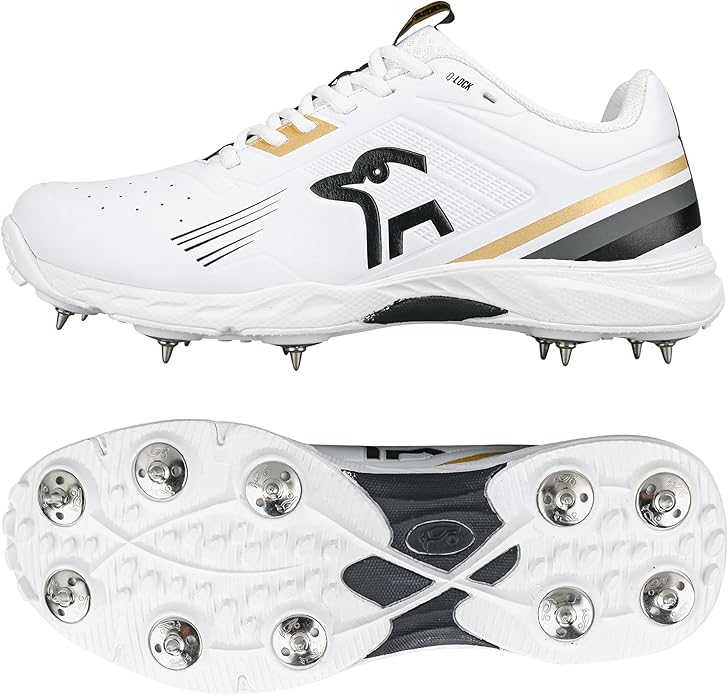
If you want a known cricket brand with a proper spike sole for grass wickets, the Kookaburra KC 3.0 Spike is worth considering. It has a synthetic rubber spike outsole, EVA midsole, reinforced toe box, and low-profile design.
A few reviewers specifically mention it suits wider feet, which matters because cricket shoes often run narrow, especially when you wear thicker socks or play long matches.
What I like: Kookaburra brand, good grass grip, wide-fit feedback, useful for club cricketers.
What to watch: These may need breaking in. Some users mention blistering if worn straight into a full match.
7. DSC Beamer X Cricket Shoes
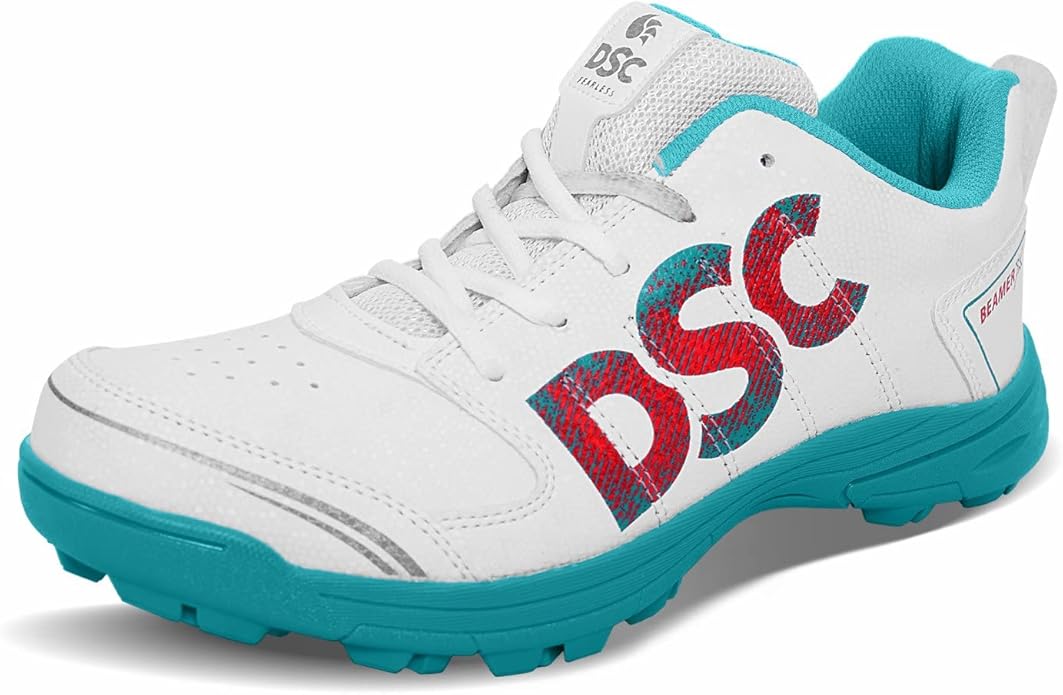
The DSC Beamer X is the budget pick. It is not a premium shoe, but at the lower end of the price range it may suit beginners, casual players, or someone who wants a spare pair for nets and training.
It has a rubber outsole with rounded lugs, EVA midsole, TPU midfoot shank, and a lightweight design. It works on artificial wickets, dry grass, and general recreational use.
What I like: Very affordable, decent grip for the price, good starter option for casual cricket.
What to watch: The rating is lower than some other shoes here, and there are some durability concerns. I would not pick these for serious league cricket.
How to Choose Your First Cricket Shoes
Rubber sole or spikes
If you are new to cricket, rubber sole shoes are usually the safest first buy. They work for nets, artificial wickets, indoor training, and dry outfields. Spikes are better for grass wickets, especially for bowlers and serious club players.
Think about where you play most
A lot of UK recreational cricket involves mixed surfaces. You might train indoors, bat on artificial wickets, and play matches on grass. If you only want one pair, rubber sole shoes are more flexible. If you bowl regularly on turf wickets, spikes are worth considering.
Bowlers need more grip
Fast bowlers should take footwear seriously. Poor grip at the crease can affect rhythm and increase injury risk. Spiked shoes or strong rubber cleats are usually better than flat trainers.
Comfort matters over looks
You may wear cricket shoes for six hours on a match day. A shoe that looks good but rubs your heel or squeezes your toes is not worth it. Check review comments about fit, width, and breaking-in time.
Juniors should not overbuy
For young players, rubber sole shoes are usually enough unless they are playing regular hardball cricket on grass wickets. Growing feet also make expensive shoes harder to justify.
Quick Comparison
| Product | Best For | Sole Type | Approx Price |
|---|---|---|---|
| GM Original Rubber Sole | Best overall | Rubber pimple studs | £50–£64 |
| SOLM8 S60Pro | Bowlers | Metal spikes | Around £65 |
| GM Aion Spike | Club players | Metal spikes + pimples | £51–£70 |
| DSC Jaffa 22 | Popular all-rounder | Rubber lugs | £41–£67 |
| SOLM8 S4 | Wide feet | Rubber cleats | Around £49 |
| Kookaburra KC 3.0 Spike | Grass wickets | Full spike | £50–£57 |
Final Verdict
The GM Original Rubber Sole Cricket Shoes are my best overall pick for most UK recreational cricketers. They work across more surfaces than spikes and are a practical first cricket shoe for most players.
For bowlers and serious grass wicket players, the SOLM8 S60Pro Spike is the top pick. The grip and secure fit give you real confidence at the crease.
If you are on a tight budget, the DSC Beamer X is the cheapest useful option here. Just be realistic. It is a budget shoe, not something I would expect to handle heavy league cricket for years.
Frequently Asked Questions
Do I need spikes for cricket?
Not always. If you play mostly on artificial wickets or indoor nets, rubber sole shoes are better. Spikes are mainly for grass wickets and serious match play.
Can I wear normal trainers for cricket?
You can for casual practice, but they will not grip as well. Cricket shoes give better support for running, bowling, and fielding.
Are rubber sole cricket shoes good for beginners?
Yes. They are usually the best first option because they work on more surfaces and are easier to use than spikes.
Are spiked cricket shoes allowed everywhere?
No. Some artificial surfaces and indoor facilities do not allow spikes. Always check your club or venue rules.
What cricket shoes are best for bowlers?
Bowlers usually need stronger grip and support. Spiked shoes are best on grass wickets, while rubber cleats can work on artificial surfaces.